Dive
Dive Watches
Automatic and quartz divers you can actually buy — ranked on the specs that matter, with the lug width printed for every one.
A good dive watch is the most over-specified object most people will ever wear on a wrist, and that is exactly why it is fun. You are almost certainly never going to saturation-dive with it. You are buying a 200-meter water-resistance rating, a unidirectional timing bezel and a screw-down crown because they are honest, legible, purpose-built pieces of engineering — and because they wear well with everything from a wetsuit to a shirt cuff.
We earn a commission when you buy through our Amazon links, at no extra cost to you. It never affects our picks, and we say so when the cheaper watch is the better buy. How this works.
The good news for a buyer today is that the entry-level end of this category is the strongest it has ever been. For a few hundred dollars you can own a genuine automatic diver with 200 meters of water resistance, a proper 120-click bezel and a service-in-a-decade movement. The bad news is that the listings do everything they can to blur the line between a real dive watch and a "diver-styled" fashion watch that would flood at the bottom of a swimming pool.
Here is the short version of what actually separates them. A real dive watch has a screw-down crown, a unidirectional bezel(it only turns counter-clockwise, so a knock can only ever shorten your timed dive, never extend it), and a water-resistance rating stated in meters — 100m is a swim-and-shower watch, 200m is the real thing. The ISO 6425 standard is the formal bar a watch must clear to be marked "Diver's 200m"; not every watch here is certified to it, and we say which are.
What decides price in this category is mostly the movement and the crystal. A Seiko 4R36 or an Orient F6922 automatic costs more than a Casio quartz, and sapphire costs more than mineral or Hardlex. Neither upgrade makes the watch keep better time in any way you will notice day to day — a good quartz beats every mechanical watch on accuracy — so the choice is about what you want from the object, not what performs.
The mistake we watch buyers make most is chasing case diameter and ignoring lug-to-lug, which is the measurement that actually decides whether a watch fits. A 42mm diver with a 48mm lug-to-lug will overhang a 6.5-inch wrist; a 44mm diver with a shorter lug-to-lug can sit better. Every pick below lists its case size, lug-to-lug and lug width, and every dive page links straight to the strap that fits — the whole reason this site exists. If you have not measured your wrist yet, what size watch to buy for your wrist is the place to start, and the single most cross-shopped decision in this section — Orient Kamasu vs Seiko 5 SRPD — is settled on published specs. The newest page in this section reviews the angular Prospex most often cross-shopped against the Turtle: the Seiko Prospex Samurai.
Start here
Everything in this hub
All dive watches
Roundup
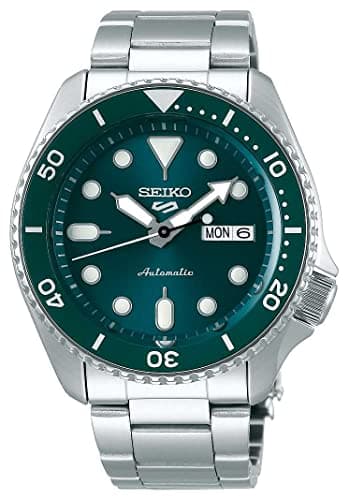
The Best Dive Watches Under $500
The flagship dive roundup: real 200m tools and the best diver-styled automatics, from a sixty-dollar Casio to a sapphire-crystal Orient.
$324.45AmazonTop pick
Seiko 5 Sports SRPD61
Roundup
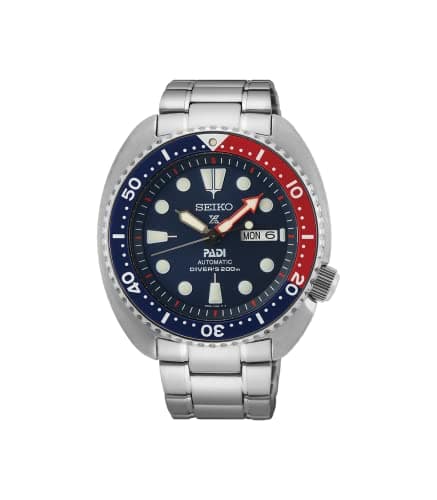
The Best Dive Watches Under $1,000
Where the budget buys genuine ISO 6425 tools: the Prospex Turtle and Samurai, a mechanical GMT diver, and the value picks that still hold up.
$599.00AmazonTop pick
Seiko Prospex Turtle (SRPE)
Roundup
The Best Seiko Dive Watches
Seiko owns the affordable-diver conversation. Here is how its key models — SRPD, Turtle, Samurai and the GMT — actually compare.
$599.00AmazonTop pick
Seiko Prospex Turtle (SRPE)
Roundup
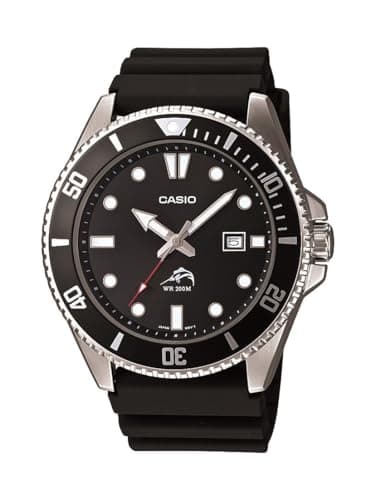
The Best Budget Dive Watches
The bottom of the market, sorted: which sub-$300 divers carry a real 200m rating and a real movement, and which are styling exercises.
$68.99AmazonTop pick
Casio Duro MDV106
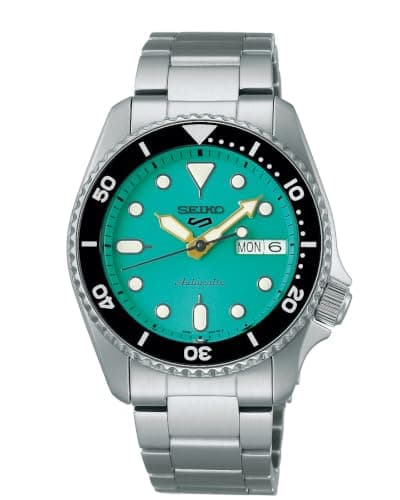
Roundup
The Best Dive Watches for Small Wrists
Divers that fit a 6 to 6.75-inch wrist, sorted by the measurement that actually matters: lug-to-lug, printed for every pick.
$279.00AmazonTop pick
Seiko 5 Sports SRPK33 (38mm)
Comparison
Seiko Turtle vs Samurai
The two Seiko Prospex divers people cross-shop most, separated on the specs that differ rather than the ones that don't.
$599.00AmazonTop pick
Seiko Prospex Turtle (SRPE)
Comparison
Casio Duro vs Invicta Pro Diver
Quartz versus automatic at the very bottom of the market — which of the two famous budget divers is right for you.
$68.99AmazonTop pick
Casio Duro MDV106
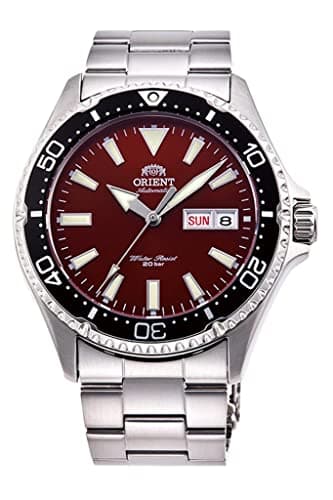
Comparison
Orient Kamasu Review
The value benchmark of affordable diving, reviewed against its two closest rivals: the Mako III below it and the Seiko 5 SRPD beside it.
$285.00AmazonTop pick
Orient Kamasu
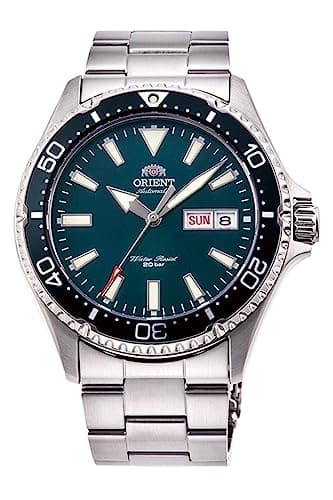
Roundup
The Best Dive Watches Under $300
Under $300 is the real value tier in diving: 200m automatics with screw-down crowns, plus the $60 quartz that shames most of them.
$278.88AmazonTop pick
Orient Mako III
Roundup
The Best Automatic Dive Watches
Mechanical divers ranked by movement and case, from a sub-$300 Orient to the certified Seiko Prospex — plus why a quartz beats every one of them on accuracy.
$285.00AmazonTop pick
Orient Kamasu
Comparison
Seiko 5 Sports SRPD Review
The SKX's successor, reviewed on spec against the 38mm Seiko 5 and the Orient Kamasu — and honest about the 100m rating.
$324.45AmazonTop pick
Seiko 5 Sports SRPD61
Comparison
Orient Kamasu vs Mako III
The same 200m Orient diver in two crystals. A short, honest comparison of what sapphire actually buys you — and when the Mako is the smarter purchase.
$285.00AmazonTop pick
Orient Kamasu
Roundup
The Best Quartz Dive Watches
Battery and solar divers rated to a real 200m, from a sixty-dollar Casio to a Citizen Eco-Drive you never have to open.
$68.99AmazonTop pick
Casio Duro MDV106
Roundup
The Best Dive Watches for Large Wrists
Five genuine divers from 43.8mm to 45mm, sorted on lug-to-lug rather than diameter, for wrists around 7.5 inches and above.
$599.00AmazonTop pick
Seiko Prospex Turtle (SRPE)
Comparison
Seiko Prospex Turtle Review
The certified 200m Seiko that anchors the affordable-diver bracket, reviewed against the sharper Samurai and the sapphire-crystal Orient Kamasu.
$599.00AmazonTop pick
Seiko Prospex Turtle (SRPE)
Comparison
Casio Duro MDV106 Review
A genuine 200m quartz diver for around sixty dollars, reviewed against the Invicta Pro Diver and the Orient Mako III.
$68.99AmazonTop pick
Casio Duro MDV106
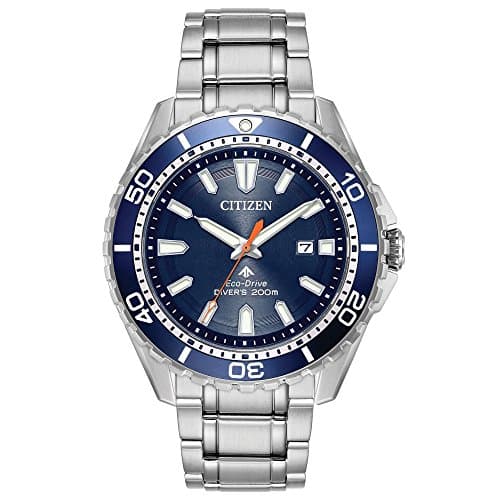
Comparison
Citizen Promaster Dive Eco-Drive Review
The ISO-compliant, light-powered 200m Citizen diver, reviewed against the Seiko Prospex Turtle and the Orient Kamasu — with the one number that decides whether it fits you.
$348.95AmazonTop pick
Citizen Promaster Dive Eco-Drive (BN0191)
Comparison
Orient Kamasu vs Seiko 5 SRPD
The sub-$350 automatic decision most people actually face, settled on published specifications: the Kamasu's 200m screw-down case and sapphire crystal against the Seiko's 100m case, Hardlex and enormous aftermarket.
$285.00AmazonTop pick
Orient Kamasu
Comparison
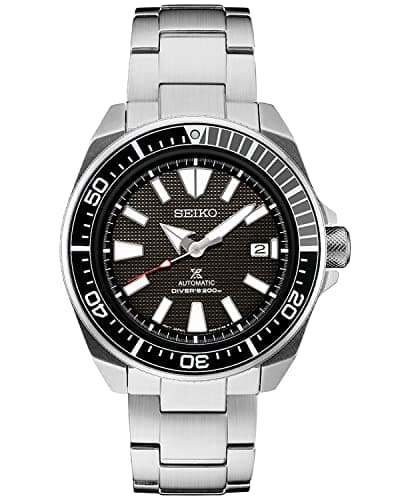
Seiko Prospex Samurai Review
A 200m diver's Prospex with a faceted case, reviewed on Seiko's own numbers and ranked against the Turtle, the SRPD and the Kamasu it competes with.
$440.00AmazonTop pick
Seiko Prospex Samurai