An automatic dive watch is powered by your own wrist. A weighted rotor spins as you move, winds a mainspring, and the mainspring drives the watch — no battery, no cell to replace, and a machine that can be serviced and kept running effectively forever. That is the appeal, and it is a real one. What it is not is the more accurate choice.
We are going to be blunt about that up front, because most roundups in this category are not. A twenty-dollar quartz watch keeps better time than every watch on this page. If accuracy is what you want, buy quartz and spend the difference on straps. If what you want is the object — the sweep of the seconds hand, the weight, the display caseback, the sense that the thing is alive — then this is your list, and these seven are the ones worth owning.
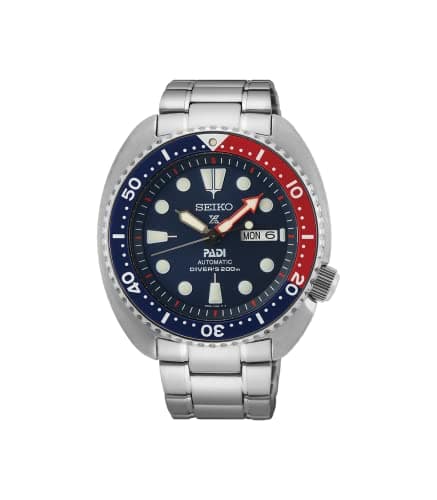
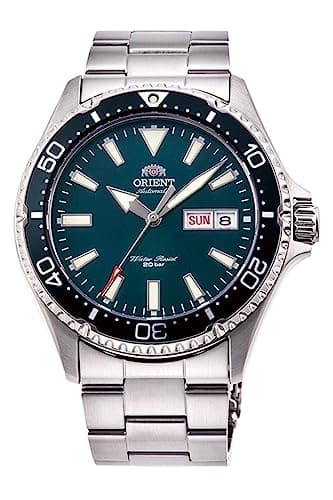
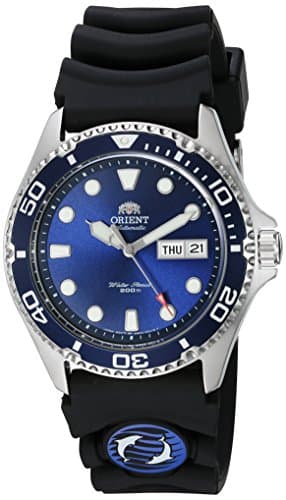
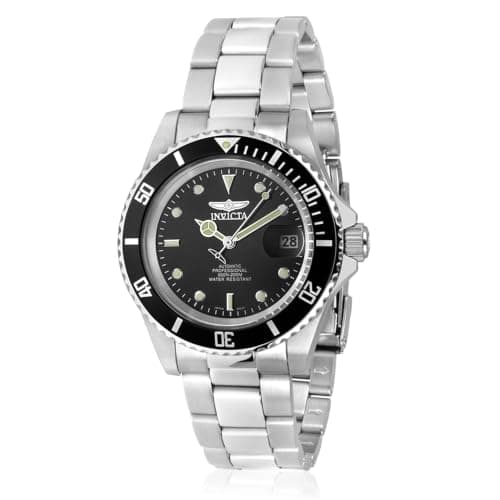
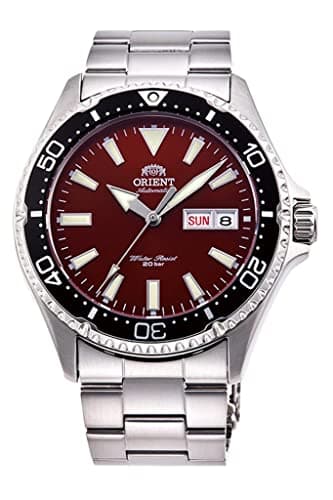
The ranking runs on movement quality, water-resistance credentials and fit. The Orient Kamasu takes the top spot because it pairs a 200m case and an in-house F6922 with a sapphire crystal at a price nothing else here matches. The Seiko Prospex Turtle is the one to buy if you want a certified ISO 6425 dive tool, and the Invicta Pro Diver is the cheapest honest way to find out whether you even like automatics.
Hacking and hand-winding: the two features that matter
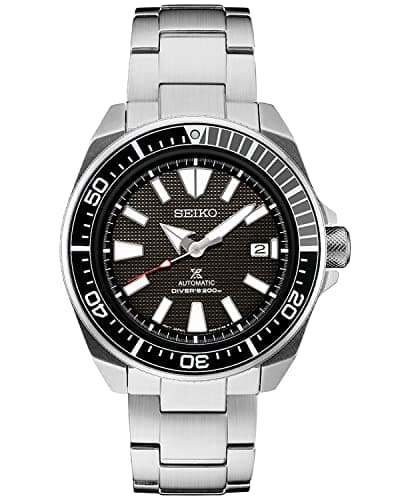
Every automatic here is described as "automatic," but the useful distinctions are finer. Hacking means the seconds hand stops when you pull the crown out, so you can set the watch to the second instead of somewhere near the minute. Hand-windingmeans you can wind it with the crown rather than shaking it awake after a week in a drawer. The old Seiko SKX movement did neither, which is precisely why its replacement — the 4R36 in the Turtle and Samurai — was such a step forward. Orient's F6922 does both as well. Both are worth having and neither is exotic any more.
What accuracy to actually expect
A healthy affordable automatic runs somewhere in the region of fifteen to thirty seconds a day fast or slow, and the manufacturers publish tolerances in that range rather than tighter ones. Over a month that is several minutes. A quartz watch drifts by a similar amount over a year. This is not a defect and it is not something a regulation will fully cure — it is the nature of a mechanical escapement, and knowing it before you buy is the difference between being charmed and being disappointed.
Power reserve and what happens when you take it off
The automatics here hold roughly forty hours of running time when fully wound. Wear the watch daily and you will never notice; wear it on alternate days and it will stop, and you will reset it. If a watch that is always right without any thought is what you want, that is an argument for a solar or Eco-Drive diver rather than a mechanical one — and it is a perfectly good argument.
Where the money goes as you move up this list
From the Invicta to the Kamasu you buy a genuine step up in finishing and a sapphire crystal. From the Kamasu to the Prospex Turtle you buy ISO 6425 certification, Seiko's lume — which is the best in affordable watches by a distance — and a service network you can actually walk into. From the Turtle to the Samurai you get a different case shape at much the same price, and very little else. That last one matters: the Samurai is not a better watch than the Turtle, it is an angular one, and it is worth choosing only if you prefer how it looks.
Servicing: the cost nobody mentions
A mechanical watch needs its oils replaced eventually — the usual guidance is somewhere between five and ten years, and a service on an affordable Japanese automatic can cost a meaningful fraction of what the watch cost new. For the Invicta and the Orients, most owners simply do not service them; at these prices the arithmetic rarely favors it. That is worth knowing before you treat a $250 automatic as an heirloom.
Fit, and the number that decides it
The range here is wide: the Invicta at 40mm is the smallest, the two Orients sit at 41.5–41.8mm with a 47mm lug-to-lug, and the Seiko Turtle is a 45mm cushion case with a 48mm lug-to-lug that wears smaller than the number suggests because the lugs turn down sharply. Under about a 6.5-inch wrist, start with the Orients. Every figure is in the spec table above; the lug width column tells you which strap to buy at the same time.
How we picked
We do not run a testing lab
We compiled the published manufacturer specifications for every watch here — case size, lug-to-lug, lug width, water resistance, movement and crystal — did the wrist-fit and value math, and scored each pick against a published rubric. The scores are judgments from documented research — they are not measurements we took or wrist-time we logged, because we do not have these watches and we are not going to pretend we do. Where a spec could not be verified we wrote "data unavailable" rather than guessing.