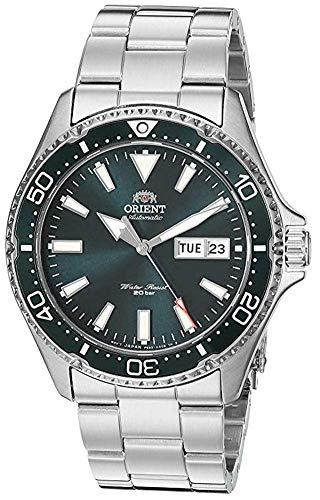
Start with what is actually published about the watch you are replacing, and be honest about how much of it we could read. Tudor's own site refuses automated access, so every figure here comes from an authorized TUDOR dealer or from one of Tudor's retail partners, and both are linked in the sources. The 1916 Company, which states on its own page that it is an "Authorized Dealer of TUDOR", publishes the Black Bay 58 reference M79030N-0001 as a self-winding mechanical watch with a 39mm stainless steel case, a black dial, and water resistance to 200m. Bucherer's Black Bay page describes the line's in-house MT5400 caliber as having a power reserve of about 70 hours, and says the METAS-certified Black Bay is guaranteed to 0/+5 seconds per day.
What we are not going to do is print a lug width, a case thickness, a bezel insert material or a crystal specification for the Tudor, because we could not read one from Tudor or from a dealer page, and inventing a number for the reference watch would make every comparison below worthless. If you need those figures, get them from a TUDOR boutique. What we can compare — and what actually decides this purchase — is the short list above: 39mm, steel, 200m, self-winding, about 70 hours, 0/+5 seconds a day.
Now split that list in two, because the split is the whole page. What is matchable for a few hundred dollars: a 200-meter rating, a screw-down crown, a self-winding movement, and a case somewhere near 39-41mm. Several watches below publish all four. What is not matchable at any price in our registry: the 70-hour reserve, the chronometer-grade accuracy guarantee, the in-house manufacture caliber, the finishing of the case and bracelet, the long factory warranty, and the resale value. If any item on that second list is the reason you want a Black Bay, nothing here will scratch it and you should keep saving.
There is one more thing on the unmatchable list, and it is the interesting one: a 200m automatic dive watch in a 39mm case. That combination barely exists under $500. The affordable dive-watch world is built around 41-45mm cases, which is why the usual "Submariner alternative" lists are full of watches two to six millimeters wider than the Black Bay 58 and several millimeters longer across the lugs. So this page uses size as a gate first — nothing over 42mm is on it, which is why you will not find the 45mm Seiko Turtle or the 45mm Citizen Promaster below even though both are better dive tools than some of these — and then ranks on crystal, then on whether anybody certified the rating, then on price.
Why 39mm is the hard specification to replace, not 200 meters
Two hundred meters is cheap. The Casio Duro delivers it for about sixty dollars, and four of the five picks above publish it. A 39mm case with that rating is not cheap, because a screw-down crown, a thick caseback and a bezel assembly all need room, and the cheapest way to find the room is to make the watch wider.
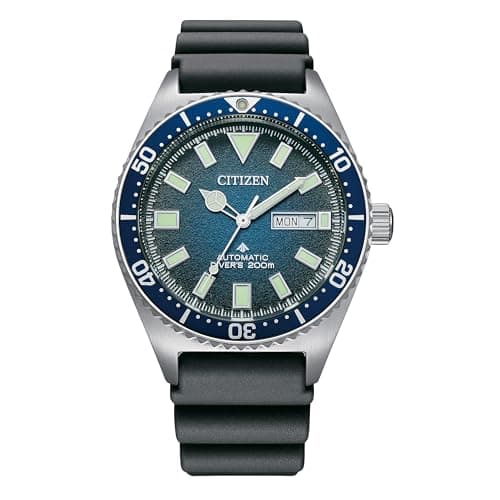
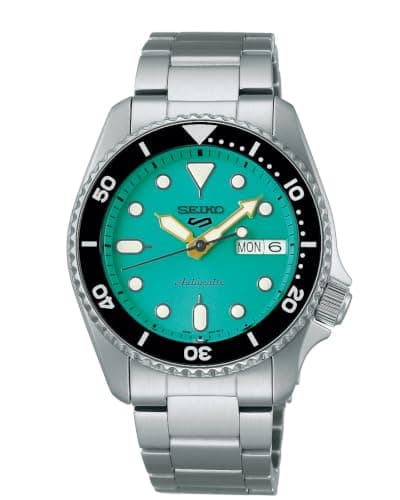
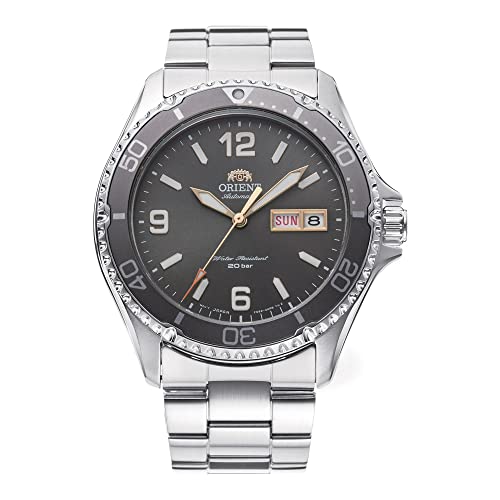
The number that actually decides fit is not the diameter anyway — it is the lug-to-lug span, the measurement from the tip of one lug to the tip of the lug diagonally opposite, because that is the part that either sits inside your wrist or hangs over the edge of it. We argue that at length in watch size for your wrist, and the published figures in the table above make the point better than the argument does. Seiko publishes 44.2mm for the 38mm SRPK33 — the shortest span of any diver-styled watch on this site. Citizen publishes 50mm for the 41mm NY0129 Promaster, nearly six millimeters longer from a case only three millimeters wider. Orient publishes 46.8mm for the 41.8mm Kamasu and 47mm for the 41.8mm Mako III.
Read those four figures again, because they invert the ranking people expect. The Citizen is the smallest-cased full dive tool here and the longest on the wrist. If you tried a Black Bay 58 and liked exactly how it sat, the Citizen is not the watch and the Seiko is — even though the Seiko is the one that is not a real diver. That tension is the reason this page exists instead of simply pointing you at our dive watches under $500 roundup.
The crystal question, and where sapphire starts
Of the five picks, exactly one publishes a sapphire crystal: the Orient Kamasu. Everything else here is mineral glass or Seiko's Hardlex, a hardened mineral. That matters more on a dive watch than on anything else you own, because a rotating bezel means you grip and turn the front of the watch, and you do that near doorframes. Mineral glass records those encounters permanently. Sapphire mostly does not.
It is also the single clearest reason the Kamasu is first and the Mako III fourth, because otherwise those two are the same watch: Orient publishes the same 41.8mm case, the same F6922 automatic and the same 200m rating for both, and the Mako III's only published difference is mineral glass instead of sapphire. The two listings move independently, so read both live prices before you decide— the gap between them has been anything from a few dollars to a whole tier, and at the narrow end there is no argument for the Mako at all. Our Kamasu against Mako III comparison is the long version of that decision, and sapphire against mineral crystal covers what the upgrade is actually worth.
ISO 6425: the one certification you can buy in this bracket
You cannot buy a chronometer certification here, and nothing below carries one. What you can buy is ISO 6425, the international divers' watch standard, which tests the bezel, the crown, legibility in darkness at 25 centimeters, salt-water resistance, shock and thermal shock rather than pressure alone. Citizen publishes the NY0129 Promaster Dive Automatic as ISO 6425 to 200m with a screw-down crown and caseback. Orient publishes 200m for the Kamasu and the Mako III but does not publish an ISO certification for either, and we would rather say that about our own top pick than quietly leave it out. If the certified rating is the reason you are shopping, the Citizen is your watch and the Orient is not — what makes a watch a dive watch explains why that distinction is not pedantry.
The Seiko that fits but is not a diver, said plainly
The SRPK33 is ranked third rather than first on purpose, and its card says why. Seiko publishes 100m and the watch has no screw-down crown, so it is a diver-styled sports watch rather than a dive instrument: fine for swimming and showering, wrong for anything where a sealed crown is the point. It also has 20mm lugs rather than the 22mm of the two Orients, which on this site is a feature and not a footnote — it shares straps with the field watches instead of the big divers, and our lug width chart shows exactly what that opens up. If size is your binding constraint and you can live with 100m, nothing else here is close on proportions.
What about the Black Bay look?
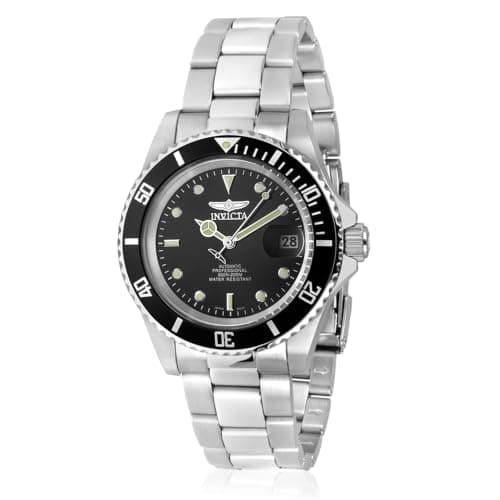
Gilt printing, a domed crystal profile and a snowflake hand are what people are usually pointing at when they say a watch looks like a Black Bay, and we do not rank watches for resembling other watches. That is the same position we take on the Submariner page, where the one explicit homage on the list sits near the bottom deliberately. The Invicta Pro Diver is on this page because it is a 40mm automatic with a published 200m rating for about seventy dollars, which is a genuinely remarkable thing to be able to buy. It is ranked last because it is also an unmistakable Submariner homage with variable quality control, and both of those things are on its card rather than buried here.
If you are choosing between a Black Bay and this list
Be clear about which purchase you are actually making. The Tudor is a better watch: an in-house manufacture caliber with about seventy hours of reserve, a chronometer-grade accuracy guarantee on the certified version, a warranty measured in years and a real resale market. None of that is here. What is here is the functional half — 200 meters, a screwed crown, a self-winding movement, and in one case a sapphire crystal — for roughly a tenth of the money, with enough left over for a drawer full of straps. If you want the certification and the finishing, buy the Tudor and enjoy it. If you want a 200m automatic diver on your wrist this week, start at the top of the list.
Where to go next
If the bracket rather than the brand is your constraint, our best automatic watches under $300 page covers the same movements across every category rather than just divers, and three of the five picks above appear on it. If the case size is the whole point, our best 38mm watches page is the cross-category version of the size argument made above, and it explains why 38mm is so hard to buy at any price. And if you want the certified, bigger dive tools this page deliberately excluded, they are ranked on best automatic dive watches.