Skip to content
Lug Leather

Guides · Guides & Comparisons

Sapphire vs Mineral Crystal

Five materials sit over a watch dial and only one of them genuinely stops scratching. Here is what each costs you in exchange.

By Stephen V.Updated How we research
#ad

We earn a commission when you buy through our Amazon links, at no extra cost to you. It never affects our picks, and we say so when the cheaper watch is the better buy. How this works.

The crystal is the part of a watch you look through every time you check the time, and it is the part most likely to look worn out in three years. It is also the one specification where the expensive answer is unambiguously harder — and still not automatically the right answer.

Sapphire is synthetic corundum, the same crystal as a natural sapphire grown in a furnace rather than the ground. On the Mohs hardness scale it sits at 9, one below diamond and two above quartz — and quartz, at 7, is what sand and most grit is made of. That single relationship is the whole argument: ordinary grit cannot scratch sapphire, and it scratches everything else on this page.

Mineral glass is hardened glass, around 5 to 6 on the same scale, so sand wins. Hardlex is Seiko's own hardened mineral glass, which sits between ordinary mineral and sapphire. Acrylic is plastic, scratches if you look at it, and polishes back out with a cloth. Resin glass is the cheapest of all and turns up on digital Casios.

The short version: sapphire is worth it, and it is no longer expensive — the Timex Expedition North has it at well under half of what a Swiss mechanical costs. But sapphire is brittle where acrylic is nearly unbreakable, and it glares unless it has been anti-reflective coated, which is why some very good watches deliberately do not use it.

The short answer

Quick picks

#WatchBest forScorePrice
01
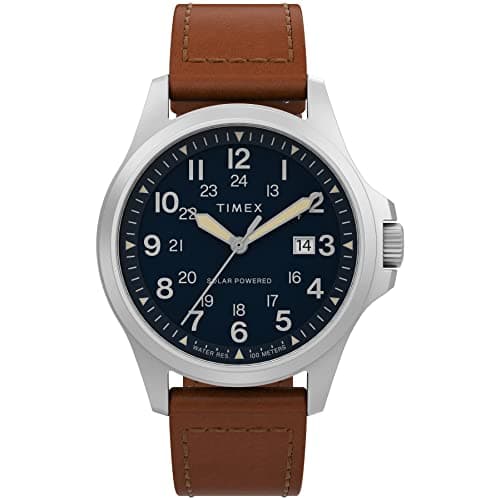
Timex Timex Expedition North Field Post Solar (41mm)
Timex Expedition North Field Post Solar (41mm)

The grown-up Timex: sapphire, 100m, screw-down crown and solar, for field-watch money.

A solar field watch
8.2
$209.00Amazon
02
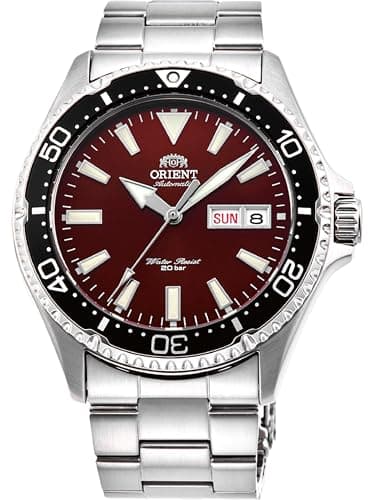
Orient Orient Kamasu
Orient Kamasu

A 200m automatic diver with a sapphire crystal at a price that shouldn't allow it.

The value pick
8.6
$329.09Amazon
03
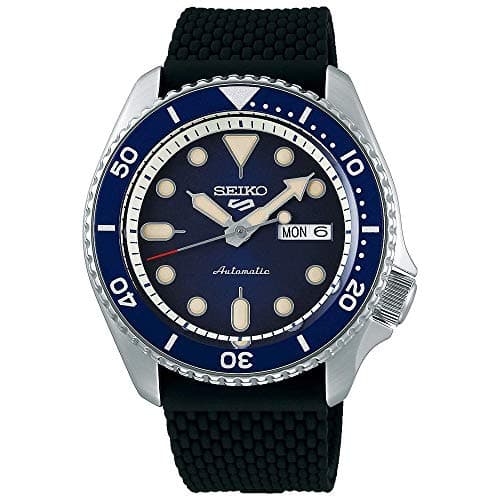
Seiko Seiko 5 Sports SRPD93
Seiko 5 Sports SRPD93

The default first automatic diver-style watch, and the direct heir to the beloved SKX.

Your first automatic
8.6
$280.00Amazon
04
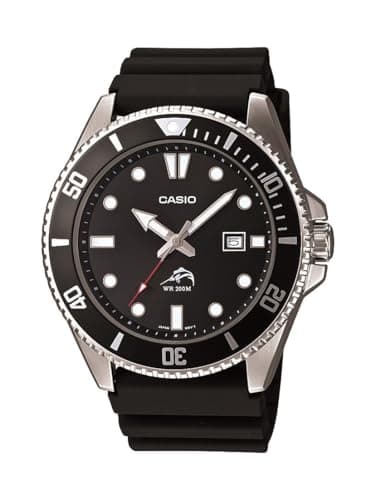
Casio Casio Duro MDV106
Casio Duro MDV106

The famous $60 200m quartz diver. Nothing at the price is more watch.

The best cheap diver alive
7.8
$68.99Amazon
05
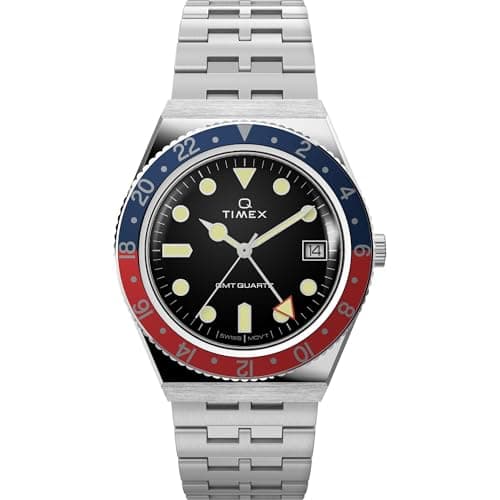
Timex Timex Q GMT
Timex Q GMT

A 38mm quartz-GMT throwback with a great price and a real second-timezone hand.

GMT function on a budget
7.6
$269.00Amazon
06
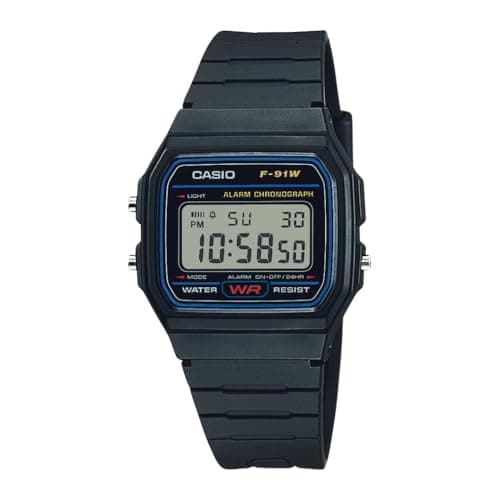
Casio Casio F-91W
Casio F-91W

The best-selling watch design in history, still made, still about twenty dollars.

The pure beater
7.4
$21.92Amazon

#ad · Live prices from the Amazon Product API, as of October 5, 2026. Where we have no verified live price, we show none — we would rather leave a gap than print a number that has rotted.

Side by side

The spec table

Every published number that decides fit and function — including the lug width, so you know which strap fits before you buy.

WatchCaseLug-to-lugLug widthWater resMovementCrystal
Timex Expedition North Field Post Solar (41mm)41mm—20mm100mTimex solar quartzSapphire
Orient Kamasu41.8mm46.8mm22mm200mOrient F6922 automaticSapphire
Seiko 5 Sports SRPD9342.5mm46mm22mm100mSeiko 4R36 automaticHardlex
Casio Duro MDV10644mm48mm22mm200mQuartzMineral
Timex Q GMT38mm—20mm50mQuartz GMTAcrylic
Casio F-91W38.2mm × 35.2mm38.2mmFixed resin band30mQuartz digitalResin glass

In detail

The picks, in full

01
Timex Timex Expedition North Field Post Solar (41mm)

A solar field watch

Timex Expedition North Field Post Solar (41mm)

41mm20mm lug100mSolar · sapphire
8.2/10

The grown-up Timex: sapphire, 100m, screw-down crown and solar, for field-watch money.

Legibility
9
Build
8
Movement
7
Versatility
8
Value
9

Pros

  • Sapphire crystal and a screw-down crown and caseback — specs Timex normally reserves for far pricier watches
  • Solar-powered, so no battery changes and no winding
  • 100m water resistance is twice what the Swiss Khaki Field manages

Cons

  • 41mm reads larger than the classic 38mm field proportion
  • Timex's finishing is still Timex's finishing — the case and hands are plain up close

Skip this one if…

…you want a mechanical watch or a smaller case. This is the practical, low-maintenance field watch, not the romantic one.

$209.00View on Amazon

Price as of October 5, 2026. Prices change — Amazon's is the one that counts.

#ad · we may earn a commission from this link to Timex Expedition North Field Post Solar (41mm)

02
Orient Orient Kamasu

The value pick

Orient Kamasu

41.8mm22mm lug200mF6922 · sapphire
8.6/10

A 200m automatic diver with a sapphire crystal at a price that shouldn't allow it.

Legibility
8
Build
8
Movement
8
Versatility
9
Value
10

Pros

  • Sapphire crystal — the one durability upgrade most worth having — at a sub-$300 price
  • The F6922 hacks and hand-winds, matching Seiko's 4R36 feature-for-feature
  • 41.8mm case and 46.8mm lug-to-lug fit a wider range of wrists than the bigger Seikos

Cons

  • The bracelet and clasp are a step below Seiko's on the same shelf
  • Orient's dealer and service network is thinner than Seiko's in the US

Skip this one if…

…brand recognition matters to you. Orient is Seiko-owned and superb value, but nobody at the bar will know the name the way they know Seiko.

$329.09View on Amazon

Price as of October 5, 2026. Prices change — Amazon's is the one that counts.

#ad · we may earn a commission from this link to Orient Kamasu

03
Seiko Seiko 5 Sports SRPD93

Your first automatic

Seiko 5 Sports SRPD93

42.5mm22mm lug100m4R36 automatic
8.6/10

The default first automatic diver-style watch, and the direct heir to the beloved SKX.

Legibility
9
Build
8
Movement
8
Versatility
9
Value
9

Pros

  • The 4R36 hacks and hand-winds — the two things the old SKX movement couldn't do
  • Genuinely great lume and the most recognizable dial in affordable watches
  • 22mm lugs open onto the biggest strap aftermarket there is

Cons

  • 100m water resistance, not the 200m of a true ISO diver — it is diver-styled, not a dive tool
  • Hardlex crystal scratches more easily than sapphire

Skip this one if…

…you actually dive or want a screw-down-crown 200m tool watch. The 100m rating and non-diver spec mean this is a desk diver — step up to the Turtle or a Prospex for the real thing.

$280.00View on Amazon

$350.0020% off

Price as of October 5, 2026. Prices change — Amazon's is the one that counts.

#ad · we may earn a commission from this link to Seiko 5 Sports SRPD93

04
Casio Casio Duro MDV106

The best cheap diver alive

Casio Duro MDV106

44mm22mm lug200mQuartz
7.8/10

The famous $60 200m quartz diver. Nothing at the price is more watch.

Legibility
8
Build
6
Movement
7
Versatility
8
Value
10

Pros

  • A genuine 200m water-resistance rating for the price of a nice dinner
  • Quartz means it keeps better time than any of the automatics here and needs nothing from you
  • The unofficial 'Marlin' has a decade-long reputation as the internet's default cheap watch

Cons

  • The bezel action is scratchy and the bracelet is the first thing owners replace
  • No screw-down crown, so despite the 200m rating it isn't ISO-certified

Skip this one if…

…you want a mechanical watch you can feel ticking. This is a quartz, and that is precisely why it is so accurate and so cheap — but it will never scratch the enthusiast itch.

$68.99View on Amazon

$84.9519% off

Price as of October 5, 2026. Prices change — Amazon's is the one that counts.

#ad · we may earn a commission from this link to Casio Duro MDV106

05
Timex Timex Q GMT

GMT function on a budget

Timex Q GMT

38mm20mm lug50mQuartz GMT
7.6/10

A 38mm quartz-GMT throwback with a great price and a real second-timezone hand.

Legibility
8
Build
6
Movement
7
Versatility
8
Value
9

Pros

  • A working GMT complication for a fraction of any mechanical GMT's price
  • 38mm case and vintage styling that wears easily
  • Quartz accuracy and a battery hatch you can open yourself

Cons

  • Acrylic crystal and Timex-level finishing
  • The bracelet is divisive and many owners swap it immediately

Skip this one if…

…you want the mechanical GMT experience or better water resistance. The Seiko SSK001 is the real-movement upgrade when you're ready.

$269.00View on Amazon

Price as of October 5, 2026. Prices change — Amazon's is the one that counts.

#ad · we may earn a commission from this link to Timex Q GMT

06
Casio Casio F-91W

The pure beater

Casio F-91W

38.2mmResin band30mQuartz digital
7.4/10

The best-selling watch design in history, still made, still about twenty dollars.

Legibility
7
Build
6
Movement
7
Versatility
7
Value
10

Pros

  • 21 grams and 8.5mm thick — the lightest, least intrusive watch here by a distance
  • A 1/100-second stopwatch, daily alarm and an auto-calendar good to 2099, on a battery Casio rates at around seven years
  • Cheap enough that losing it is an inconvenience rather than an event

Cons

  • 30m only — this is not a swimming watch whatever the internet tells you
  • The resin case and band will eventually crack; at this price you replace rather than repair

Skip this one if…

…you want anything resembling a grown-up watch. The F-91W is a tool and a design classic, and it looks exactly like what it costs.

$21.92View on Amazon

$29.9527% off

Price as of October 5, 2026. Prices change — Amazon's is the one that counts.

#ad · we may earn a commission from this link to Casio F-91W

The hardness scale, and why 7 is the number that matters

The Mohs scale ranks minerals by which one scratches which: talc is 1, diamond is 10, and each step scratches everything below it. Watch crystals land as follows — sapphire at 9, Seiko's Hardlex between ordinary mineral and sapphire, mineral glass around 5 to 6, and acrylic around 2 to 3.

The useful number is not 9. It is 7, which is where quartz sits — and quartz is the main component of ordinary sand, beach grit and a lot of household dust. Sand is harder than mineral glass and softer than sapphire. That is why a mineral-crystal watch worn at the beach picks up fine scratches and a sapphire one does not, and it is the entire practical difference between the two materials in one sentence.

Sapphire: hard, brittle, and now cheap

Sapphire effectively does not scratch in normal wear. Door frames, desks, car keys, sand — none of it marks the crystal. A sapphire watch looks the same in year ten as it did on day one, which is a bigger deal on a watch you intend to keep than almost any other spec.

What you give up is toughness, which is not the same as hardness. Sapphire is hard but brittle: a sharp impact on the edge of the crystal can chip or shatter it where a plastic crystal would have shrugged and a mineral one might have survived. This is rare in practice, but it is why NASA used acrylic rather than sapphire on the watches it qualified for spaceflight — a shattered crystal inside a spacecraft is a worse problem than a scratched one.

The second cost is glare. Sapphire reflects more light than mineral glass, so an uncoated sapphire crystal can be harder to read in bright sun than a cheaper watch. Manufacturers fix this with anti-reflective coating, usually on the inside face; where the coating is on the outside it works better and wears off.

The news of the last few years is price. Sapphire used to mark a four-figure watch. On this page the Timex Expedition North Field Post Solar carries sapphire with a 100m rating and a screw-down crown, and the Orient Kamasu carries it on a 200m automatic diver. Both sit well under the cost of the cheapest Swiss mechanical, and both are the reason we treat sapphire as a default expectation rather than a luxury on the dive and field roundups.

Hardlex: Seiko's answer, and the reason people complain

Hardlex is Seiko's proprietary hardened mineral glass, used across the Seiko 5 Sports and much of Prospex. It is harder than ordinary mineral glass and softer than sapphire, and it is the single most argued-about specification in affordable watches — because the Seiko 5 Sports SRPD on this page sells at a price where the Orient Kamasu gives you sapphire.

Our honest read: Hardlex is fine, and it is not what we would choose. It resists scratching better than plain mineral, it is cheaper for Seiko to produce and easier to replace, and in daily office wear you may never mark it. But grit still beats it, and when the direct rival at the same money has sapphire, Hardlex is the line on the spec sheet that loses the argument. That comparison is the spine of our Orient pages and of Seiko vs Orient.

Mineral: the sensible default at the bottom of the market

Ordinary mineral glass is hardened silicate glass. It scratches where sapphire does not, but it is cheap, it is more impact-tolerant than sapphire, and it is clear and low-glare without coating. On a watch that costs less than a strap, it is exactly the right choice.

The Casio Duro MDV106 is the case in point: a 44mm 200m quartz diver for under seventy dollars with a mineral crystal. Nobody should want Casio to have fitted sapphire and charged double. Mineral is also what Citizen fits across most of the Promaster and Eco-Drive range even at three hundred dollars, which is the one consistent criticism we make of the brand on the Citizen brand page.

Acrylic: the one that scratches and does not matter

Acrylic is plastic. It picks up swirls and scuffs almost immediately, and it is the only material here where that is genuinely not a problem — because scratches polish out. A dab of plastic polish and a cloth, two minutes, and the crystal is clear again. You cannot do that with sapphire or mineral; damage there is permanent short of replacing the crystal.

It is also the toughest material on this page in the impact sense, and it is the reason vintage-styled watches use it deliberately: acrylic can be formed into the high domed profile that gives old watches their warm, distorted edge, which flat sapphire cannot cheaply replicate. The Timex Q GMT is acrylic for exactly that reason, and it would be a worse-looking watch with a flat crystal.

Resin glass: the twenty-dollar answer

Resin glass is the cheapest option and it turns up on the digital Casios — the Casio F-91W here uses it. It scratches, it is not especially clear, and at this price the watch is a consumable rather than an heirloom. It is the correct material for a watch designed to be replaced rather than serviced, and criticizing it is like criticizing a disposable pen for not being refillable.

How each one fails, which is the real decision

Hardness tells you what scratches. The more useful question is what happens when something goes wrong.

Sapphire survives everything until it chips or shatters, and then it is a crystal replacement — not catastrophic, but a trip to a watchmaker. Mineral and Hardlex accumulate fine scratches gradually and visibly, and can also crack; neither polishes out. Acrylic scratches constantly, polishes out indefinitely, and tends to craze or deform rather than shatter. Resin does whatever it does for a few years and then you buy another watch.

If the watch is going somewhere it can be struck hard — a worksite, a climbing wall — the brittleness of sapphire is a genuine consideration and the shock-resistant resin-cased option is the serious answer. For everyone else, scratch resistance is the thing you will actually notice.

Is sapphire worth paying extra for?

Yes, in two situations and not in a third.

Buy sapphire when the watch is one you plan to keep for years, or when it is going to the beach, the sea or anywhere sandy. That is where the hardness gap stops being theoretical. Buy sapphire also when it is free — which, at the Expedition North and Kamasu end of the market, it effectively now is.

Do not pay a large premium for it on a cheap watch you expect to wear hard and replace. A $65 Casio with mineral glass and a 200m rating is a better object than a $130 version of the same watch with sapphire, and the crystal is not where that money should go. Spend it on water resistance and a screw-down crown instead, which is the spec most buyers under-weight.

Can you tell which crystal a watch has?

Not reliably by eye, which is why the spec table above exists. Manufacturers state it, and where we could not verify it from a manufacturer we print a dash rather than a guess. Two weak tells in person: sapphire feels colder to the touch for a moment longer than glass because it conducts heat better, and a drop of water beads more tightly on an uncoated sapphire surface. Neither is conclusive, and neither is worth doing in a shop — read the specification instead.
How we picked

We do not run a testing lab

We compiled the published manufacturer specifications for every watch here — case size, lug-to-lug, lug width, water resistance, movement and crystal — did the wrist-fit and value math, and scored each pick against a published rubric. The scores are judgments from documented research — they are not measurements we took or wrist-time we logged, because we do not have these watches and we are not going to pretend we do. Where a spec could not be verified we wrote "data unavailable" rather than guessing.

Questions

Frequently asked

Is sapphire crystal worth it on a watch?
On a watch you plan to keep, or one that goes near sand and salt, yes. Sapphire sits at 9 on the Mohs hardness scale and ordinary grit is quartz at 7, so sand cannot scratch it and does scratch every other crystal material. It is also no longer expensive: the Timex Expedition North and the Orient Kamasu both carry sapphire at well under the price of the cheapest Swiss mechanical.
What is the difference between sapphire and mineral crystal?
Hardness, and how they fail. Sapphire is synthetic corundum at Mohs 9 and effectively does not scratch in normal wear. Mineral glass is hardened glass at roughly Mohs 5 to 6, so sand marks it. In exchange, mineral is cheaper, slightly more impact-tolerant and lower-glare without coating — sapphire is brittle and reflects more unless it has been anti-reflective coated.
What is Hardlex and is it as good as sapphire?
Hardlex is Seiko's proprietary hardened mineral glass, used across Seiko 5 Sports and much of Prospex. It is harder than ordinary mineral glass and softer than sapphire. It is perfectly serviceable, but when a direct rival at the same money — the Orient Kamasu against the Seiko 5 Sports SRPD — gives you sapphire, Hardlex is the line on the spec sheet that loses.
Can scratches be removed from a watch crystal?
Only from acrylic. A scratched acrylic crystal polishes clear again in about two minutes with plastic polish and a cloth, which is the material's one genuine advantage. Scratches in sapphire, Hardlex and mineral glass are permanent short of replacing the crystal entirely.
Can sapphire crystal break?
Yes. Hardness and toughness are different properties: sapphire is very hard and relatively brittle, so a sharp strike on the crystal edge can chip or shatter it where acrylic would have absorbed the hit. It is uncommon in normal wear, but it is why acrylic rather than sapphire was used on the watches qualified for spaceflight — a shattered crystal is a worse problem than a scratched one.
Why do some expensive watches still use acrylic?
Two reasons, both deliberate. Acrylic can be formed into a high domed profile that gives vintage-styled watches their warm, distorted edge, which flat sapphire cannot cheaply reproduce — the Timex Q GMT is acrylic for exactly that look. And acrylic is the most impact-tolerant material here, which matters more than scratch resistance in some uses.
Does a sapphire crystal cause glare?
Uncoated, yes — sapphire reflects more light than mineral glass, so it can be harder to read in bright sun. Manufacturers counter it with anti-reflective coating, usually applied to the inner face. Coating on the outer face works better but wears away over time.

Keep reading

Receipts

Sources

We do not run a testing lab, and we do not pretend to. Every spec above traces to a manufacturer listing or a named standard; where we could not verify something, we say so on the page rather than quietly leaving it out. Read our full method.