Skip to content
Lug Leather

Guides · Guides & Comparisons

Watch Water Resistance Explained

The number on the dial is a pressure test, not a depth limit — and it is the most widely misread specification in watches.

By Stephen V.Updated How we research
#ad

We earn a commission when you buy through our Amazon links, at no extra cost to you. It never affects our picks, and we say so when the cheaper watch is the better buy. How this works.

A watch marked "30m water resistant" cannot be taken thirty meters underwater. It cannot be taken swimming at all. That is not a defect and it is not false advertising — it is what the rating has always meant — but it is the single most expensive misunderstanding in watch buying, and almost nothing on a watch box explains it.

The number is the result of a static pressure test. A watch rated to 30m was held at a pressure equivalent to a 30-meter column of still water, in a laboratory, for a short period, when it was new. Swimming is not static. Pushing an arm through water, diving off a step, or turning on a shower raises the momentary pressure at the case far above the depth you are actually at, and the gaskets that did the work in the lab are a year older and have been through a hundred temperature swings since.

So the practical reading is conservative, and it is the one every watchmaker and every honest retailer uses: 30m means keep it dry, 50m means rain and handwashing, 100m means you can swim in it, and 200m means you can stop thinking about it. Below we take one watch from each tier — ordered by rating, not by merit — and say exactly what it is cleared to do.

The short answer

Quick picks

#WatchBest forScorePrice
01
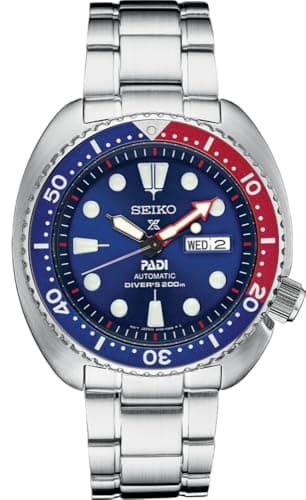
Seiko Seiko Prospex Turtle (SRPE)
Seiko Prospex Turtle (SRPE)

A real ISO 6425 200m diver with a cult-favorite cushion case. The value benchmark.

A real dive tool under $500
8.2
$549.00Amazon
02
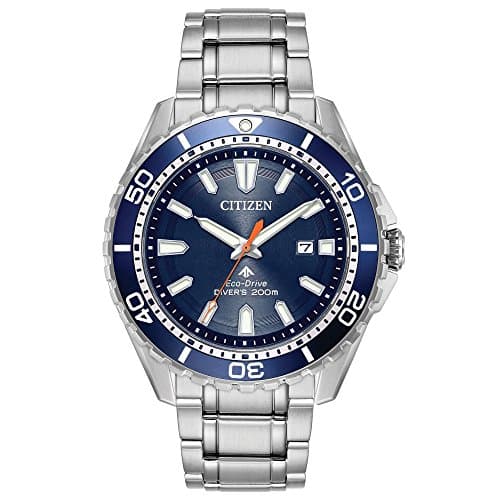
Citizen Citizen Promaster Dive Eco-Drive (BN0191)
Citizen Promaster Dive Eco-Drive (BN0191)

An ISO-compliant 200m diver that never needs a battery or a wind. The set-and-forget diver.

A no-maintenance dive tool
8.0
$348.95Amazon
03
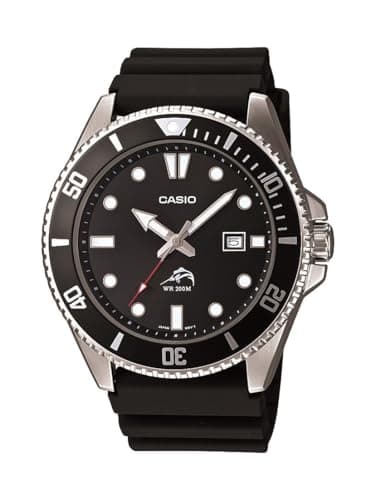
Casio Casio Duro MDV106
Casio Duro MDV106

The famous $60 200m quartz diver. Nothing at the price is more watch.

The best cheap diver alive
7.8
$68.99Amazon
04
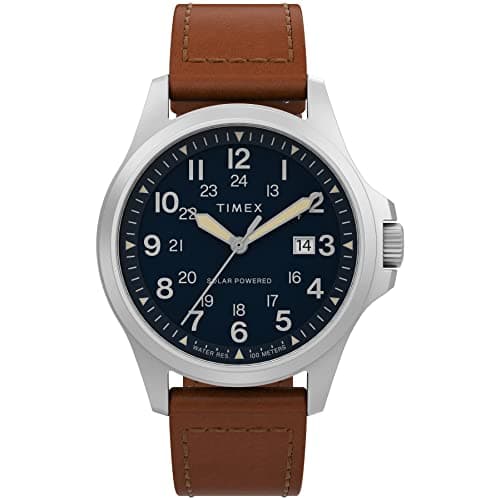
Timex Timex Expedition North Field Post Solar (41mm)
Timex Expedition North Field Post Solar (41mm)

The grown-up Timex: sapphire, 100m, screw-down crown and solar, for field-watch money.

A solar field watch
8.2
$209.00Amazon
05
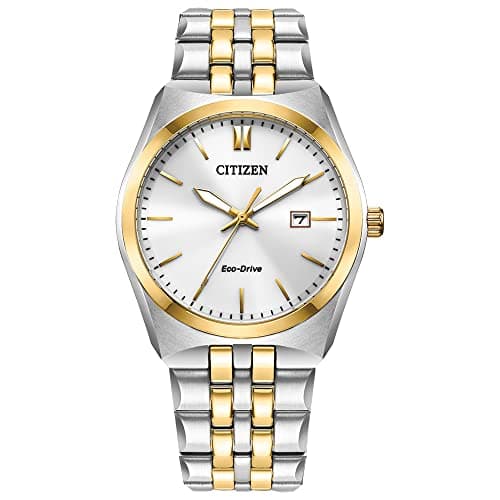
Citizen Citizen Eco-Drive Corso
Citizen Eco-Drive Corso

A clean, slim solar dress watch that never needs a battery — the low-fuss smart-casual pick.

A no-fuss everyday dress watch
7.8
$217.95Amazon
06
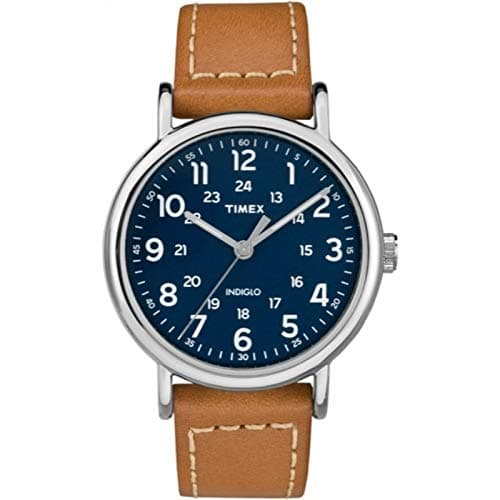
Timex Timex Weekender (40mm)
Timex Weekender (40mm)

The strap-swapper's starter watch — cheap, light, and built around changing straps.

Cheap strap experimentation
7.2
$54.26Amazon

#ad · Live prices from the Amazon Product API, as of October 5, 2026. Where we have no verified live price, we show none — we would rather leave a gap than print a number that has rotted.

Side by side

The spec table

Every published number that decides fit and function — including the lug width, so you know which strap fits before you buy.

WatchCaseLug-to-lugLug widthWater resMovementCrystal
Seiko Prospex Turtle (SRPE)45mm48mm22mm200m (ISO 6425)Seiko 4R36 automaticHardlex
Citizen Promaster Dive Eco-Drive (BN0191)45mm48.8mm22mm200m (ISO compliant)Citizen E168 Eco-Drive (solar)Mineral
Casio Duro MDV10644mm48mm22mm200mQuartzMineral
Timex Expedition North Field Post Solar (41mm)41mm—20mm100mTimex solar quartzSapphire
Citizen Eco-Drive Corso40mm—20mm50mCitizen Eco-Drive (solar)Mineral
Timex Weekender (40mm)40mm—20mm30mQuartzAcrylic

In detail

The picks, in full

01
Seiko Seiko Prospex Turtle (SRPE)

A real dive tool under $500

Seiko Prospex Turtle (SRPE)

45mm cushion22mm lug200m ISO4R36 automatic
8.2/10

A real ISO 6425 200m diver with a cult-favorite cushion case. The value benchmark.

Legibility
9
Build
8
Movement
8
Versatility
7
Value
9

Pros

  • Certified to ISO 6425 with a screw-down crown — this is a genuine dive tool, not diver styling
  • The cushion case wears smaller than 45mm suggests thanks to the short, downturned lugs
  • Legendary Seiko dive lume

Cons

  • Still a big, tall watch — check the 48mm lug-to-lug against your wrist first
  • Hardlex, not sapphire, at this price

Skip this one if…

…you have a wrist under about 6.5 inches. The 48mm lug-to-lug is the number that matters here and it will overhang a smaller wrist — look at the 41.8mm Orient Kamasu instead.

$549.00View on Amazon

$575.005% off

Price as of October 5, 2026. Prices change — Amazon's is the one that counts.

#ad · we may earn a commission from this link to Seiko Prospex Turtle (SRPE)

02
Citizen Citizen Promaster Dive Eco-Drive (BN0191)

A no-maintenance dive tool

Citizen Promaster Dive Eco-Drive (BN0191)

45mm22mm lug200m ISOEco-Drive
8.0/10

An ISO-compliant 200m diver that never needs a battery or a wind. The set-and-forget diver.

Legibility
9
Build
8
Movement
8
Versatility
7
Value
8

Pros

  • ISO-compliant 200m dive credentials with a screw-down crown and caseback
  • Eco-Drive runs on light — no battery to die mid-trip and no winding to remember
  • 22mm lugs, so it shares the strap drawer with every Seiko diver on this site

Cons

  • 45mm with a 48.8mm lug-to-lug — this is a big watch and it wears like one
  • Mineral crystal rather than sapphire at this price

Skip this one if…

…your wrist is under about 7 inches. The 48.8mm lug-to-lug is the number that decides it, and it will overhang — the Orient Kamasu is the smaller 200m answer.

$348.95View on Amazon

$495.0030% off

Price as of October 5, 2026. Prices change — Amazon's is the one that counts.

#ad · we may earn a commission from this link to Citizen Promaster Dive Eco-Drive (BN0191)

03
Casio Casio Duro MDV106

The best cheap diver alive

Casio Duro MDV106

44mm22mm lug200mQuartz
7.8/10

The famous $60 200m quartz diver. Nothing at the price is more watch.

Legibility
8
Build
6
Movement
7
Versatility
8
Value
10

Pros

  • A genuine 200m water-resistance rating for the price of a nice dinner
  • Quartz means it keeps better time than any of the automatics here and needs nothing from you
  • The unofficial 'Marlin' has a decade-long reputation as the internet's default cheap watch

Cons

  • The bezel action is scratchy and the bracelet is the first thing owners replace
  • No screw-down crown, so despite the 200m rating it isn't ISO-certified

Skip this one if…

…you want a mechanical watch you can feel ticking. This is a quartz, and that is precisely why it is so accurate and so cheap — but it will never scratch the enthusiast itch.

$68.99View on Amazon

$84.9519% off

Price as of October 5, 2026. Prices change — Amazon's is the one that counts.

#ad · we may earn a commission from this link to Casio Duro MDV106

04
Timex Timex Expedition North Field Post Solar (41mm)

A solar field watch

Timex Expedition North Field Post Solar (41mm)

41mm20mm lug100mSolar · sapphire
8.2/10

The grown-up Timex: sapphire, 100m, screw-down crown and solar, for field-watch money.

Legibility
9
Build
8
Movement
7
Versatility
8
Value
9

Pros

  • Sapphire crystal and a screw-down crown and caseback — specs Timex normally reserves for far pricier watches
  • Solar-powered, so no battery changes and no winding
  • 100m water resistance is twice what the Swiss Khaki Field manages

Cons

  • 41mm reads larger than the classic 38mm field proportion
  • Timex's finishing is still Timex's finishing — the case and hands are plain up close

Skip this one if…

…you want a mechanical watch or a smaller case. This is the practical, low-maintenance field watch, not the romantic one.

$209.00View on Amazon

Price as of October 5, 2026. Prices change — Amazon's is the one that counts.

#ad · we may earn a commission from this link to Timex Expedition North Field Post Solar (41mm)

05
Citizen Citizen Eco-Drive Corso

A no-fuss everyday dress watch

Citizen Eco-Drive Corso

40mm20mm lug50mEco-Drive
7.8/10

A clean, slim solar dress watch that never needs a battery — the low-fuss smart-casual pick.

Legibility
8
Build
7
Movement
8
Versatility
8
Value
8

Pros

  • Slim, classic 40mm case that slides under a cuff and reads clean
  • Eco-Drive solar — no winding, no battery, effectively no maintenance
  • Standard 20mm lugs for easy strap swaps

Cons

  • Mineral crystal
  • Quartz, so no mechanical charm

Skip this one if…

…you want a mechanical watch or more presence on the wrist. This is deliberately understated and low-maintenance.

$217.95View on Amazon

$425.0049% off

Price as of October 5, 2026. Prices change — Amazon's is the one that counts.

#ad · we may earn a commission from this link to Citizen Eco-Drive Corso

06
Timex Timex Weekender (40mm)

Cheap strap experimentation

Timex Weekender (40mm)

40mm20mm slip-thru30mQuartz
7.2/10

The strap-swapper's starter watch — cheap, light, and built around changing straps.

Legibility
8
Build
5
Movement
6
Versatility
8
Value
9

Pros

  • Uses slip-through straps, so swapping is genuinely a five-second job with no tools
  • About as cheap as a real analog watch gets
  • Light enough to forget you're wearing it

Cons

  • Only 30m water resistance — keep it away from the pool
  • Acrylic crystal scratches, though it also polishes out

Skip this one if…

…you want one watch to take seriously. This is a fun, disposable strap mule; the Expedition Scout is the more grown-up version for a little more.

$54.26View on Amazon

$75.0028% off

Price as of October 5, 2026. Prices change — Amazon's is the one that counts.

#ad · we may earn a commission from this link to Timex Weekender (40mm)

What the rating is actually measuring

Water resistance on a modern watch is tested to ISO 22810, the general standard, which is where the meter markings come from. The test is a pressure equivalence, not a diving depth: the case is subjected to the pressure that would exist at that depth in still water, and it either leaks or it does not. Nothing in that test simulates movement, age, warm water, soap, or the shock of an arm entering a pool.

That is why the industry convention shifts every rating down a tier or two in practice. It is not watchmakers being coy. It is the gap between a controlled static test on a new case and a decade of real wear on an aging one.

30 meters: keep it dry

This is the rating that causes all the trouble, because thirty meters sounds like a lot and is not. A 30m watch is cleared for incidental splashes — rain, a wet sleeve, washing your hands carefully. It is not cleared for swimming, showering or submersion of any kind.

The Timex Weekender is the honest example here, and it is on this page precisely because it is a watch a lot of people buy as a first watch without reading the caseback. It is a 40mm quartz watch with an acrylic crystal and a 30m rating, and it should be kept away from the pool. The same applies to most dress watches: the dress-watch side of the category sits here almost universally.

50 meters: rain, handwashing, and nothing you plan

50m survives the things that happen to you rather than the things you choose. Rain, washing up, getting caught in a sprinkler. Most watchmakers will not call it a swimming watch, and we do not either — the convention is that regular swimming starts at 100m.

The Citizen Eco-Drive Corso is a 40mm solar dress watch rated to 50m, and it is a good illustration of the tier because nothing about it is cheap or careless — this is simply what a slim dress case is built for. The more surprising member of the tier is the Hamilton Khaki Field Mechanical, a $600-plus Swiss field watch that is also 50m, which is the one genuine spec complaint we have about that watch and one we make on the Hamilton brand page.

100 meters: the first rating you can actually swim with

100m is the practical threshold. Swimming, showering, snorkeling, getting knocked over by a wave — a 100m watch in good condition handles all of it. This is the rating to aim for if you want one watch and you do not want to think about it, and it is where most field and sports watches now sit.

The Timex Expedition North Field Post Solar is the tier's best argument: 41mm, 100m, a sapphire crystal, and — the part that matters — a screw-down crown and caseback. A screw-down crown is worth more than an extra 50m on paper, because the crown tube is where water gets in on almost every watch that fails. Compare it with the Seiko 5 Sports SRPD, which is also 100m but is diver-styled rather than a dive tool, and the distinction becomes concrete.

200 meters: the point at which you stop checking

200m is dive-watch territory and it is wildly more than any swimmer needs, which is exactly why it is worth buying. A 200m case has thicker gaskets, usually a screw-down crown, and enough margin that a gasket past its best still keeps water out. You buy 200m for the margin, not the depth.

Three watches on this page hold it and they get there differently. The Casio Duro MDV106 is a 44mm quartz diver with a 200m rating for less than seventy dollars, and it is the cheapest honest 200m watch we know of — though it has no screw-down crown, which is why it is not ISO-certified. The Citizen Promaster Dive Eco-Drive is ISO-compliant with a screw-down crown and caseback, and runs on light so there is never a battery hatch to open. And the Seiko Prospex Turtle is certified to the full dive standard.

ISO 6425: the only marking that means "diving"

A separate standard, ISO 6425, governs watches sold for actual diving, and it demands far more than a pressure number: a unidirectional bezel, legibility at 25cm in the dark, an indication that the watch is running in darkness, resistance to thermal shock, salt water and magnetism, and testing at 125% of the rated depth. A watch that passes is marked DIVER'S on the dial or caseback. One that is merely rated to 200m is not.

The Seiko Prospex Turtle on this page carries ISO 6425. The Citizen Promaster Dive Eco-Drive is ISO-compliant. The Casio Duro, despite the same 200m number, is not — and the site's Duro review says so. If you are genuinely diving, that marking is the specification you shop on; if you are swimming laps, it is not.

The four things that beat the number

A screw-down crown. The crown tube is the usual failure point. A crown that screws shut is a meaningfully better seal than a push-pull crown at the same rating, which is why a 100m watch with one can be the safer buy than a 200m watch without.

Never operating the crown wet. Pulling the crown out with water on the case is how most water damage actually happens. Dry the watch first, every time.

Gasket age. Rubber gaskets harden and compress. A watch that has never been serviced is not holding its original rating after ten years, regardless of what the caseback says. If a watch matters to you and goes in water, it wants a pressure test every few years.

Heat. Hot showers, saunas and hot tubs are the worst thing you can do to a watch seal — the temperature swing expands and contracts the case and gaskets and can draw moisture straight past them. Water resistance ratings assume roughly room-temperature water. A 200m diver is not a sauna watch.

Salt water, and the one habit that matters

Salt is corrosive to steel, to the fine threads on a screw-down crown, and to the lubricant in a bezel. None of that is covered by a pressure rating. Rinse a watch in fresh water after the sea — case, bracelet and bezel — and the rating will outlive you. Skip it and the crown threads are what fail first. The same rule applies to the straps you put in salt water.

So which rating should you buy?

If the watch will ever go in water: 100m is the floor, 200m is the comfortable answer, and a screw-down crown is worth paying for at either. If the watch is a dress watch worn to dinner, 30m or 50m is normal and not a compromise — just do not let it be your only watch if you swim. And if you dive, buy the ISO 6425 marking rather than the number, which is what the dive watch roundups rank on.
How we picked

We do not run a testing lab

We compiled the published manufacturer specifications for every watch here — case size, lug-to-lug, lug width, water resistance, movement and crystal — did the wrist-fit and value math, and scored each pick against a published rubric. The scores are judgments from documented research — they are not measurements we took or wrist-time we logged, because we do not have these watches and we are not going to pretend we do. Where a spec could not be verified we wrote "data unavailable" rather than guessing.

Questions

Frequently asked

Can I swim with a 30m water resistant watch?
No. A 30m rating is a static pressure test, not a depth, and the industry convention is that it covers incidental splashes only — rain, a wet sleeve, careful handwashing. Swimming raises momentary pressure at the case well above the depth you are at. The Timex Weekender on this page is a 30m watch and should be kept away from the pool.
Can you swim with a 50m watch?
Not as a plan. 50m covers rain, handwashing and getting caught out, and most watchmakers stop short of calling it a swimming watch. Regular swimming conventionally starts at 100m. Plenty of good watches sit at 50m — the Citizen Eco-Drive Corso here, and the Hamilton Khaki Field Mechanical — because a slim case is built for a different job.
What does 100m water resistance mean?
It means you can swim, shower and snorkel in the watch without thinking about it, provided the case is in good condition. 100m is the practical threshold for a watch that goes in water. The Timex Expedition North Field Post Solar is the example on this page, and it adds the thing that matters as much as the number — a screw-down crown and caseback.
Is 200m water resistance overkill?
For swimming, yes, and that is the reason to buy it. A 200m case has thicker gaskets, usually a screw-down crown, and enough margin that an aging seal still keeps water out. You are buying the safety margin rather than the depth. The Casio Duro MDV106 gets there for under seventy dollars.
What is the difference between 200m and ISO 6425?
200m is a pressure rating. ISO 6425 is the divers' watch standard, and it additionally requires a unidirectional bezel, legibility at 25cm in darkness, a visible indication the watch is running in the dark, resistance to thermal shock, salt water and magnetism, and testing at 125% of rated depth. Watches that pass are marked DIVER'S. The Seiko Prospex Turtle carries it; the Casio Duro, at the same 200m, does not.
Does water resistance wear off?
Yes. The gaskets are rubber, and rubber hardens and compresses with age and temperature cycling. A watch that has never been serviced is not holding its original rating after a decade whatever the caseback says. If the watch matters and goes in water, have it pressure-tested every few years.
Can I wear my watch in the shower or a hot tub?
We would not. Heat is the worst thing for a watch seal: the temperature swing expands and contracts the case and gaskets and can draw moisture past them, and soap degrades the rubber. Water resistance ratings assume roughly room-temperature water. A 200m diver is still not a sauna watch.
Why does a screw-down crown matter more than the rating?
Because the crown tube is where water gets into most watches that fail. A crown that screws shut seals far better than a push-pull crown at the same number, which is why a 100m watch with one can be the safer buy than a 200m watch without. The other half of the rule: never pull the crown out while the case is wet.

Keep reading

Receipts

Sources

We do not run a testing lab, and we do not pretend to. Every spec above traces to a manufacturer listing or a named standard; where we could not verify something, we say so on the page rather than quietly leaving it out. Read our full method.