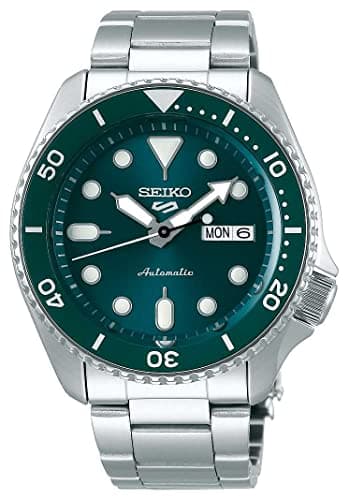
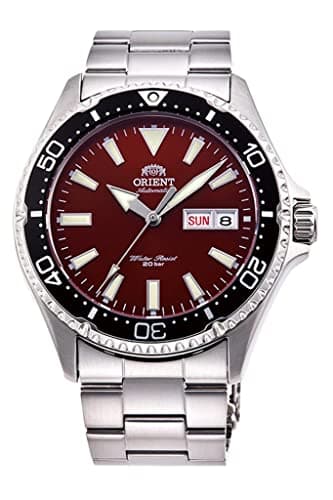
A dive watch and a dress watch are the two poles of the whole category, and the distance between them is mostly measured in millimeters of case height. A diver is thick because it has to seal against pressure and carry a rotating bezel. A dress watch is thin because its entire purpose is to slide under a shirt cuff and not announce itself.
Everything else follows from that. The diver gets high contrast, big lume, a screw-down crown and 200 meters of water resistance. The dress watch gets applied indices, a domed crystal, a slim automatic or hand-wound movement and typically 30 meters — which means rain, not swimming. They are not competing products; they are answers to different questions. If you have already decided you want the dress end, our best affordable dress watches roundup ranks six of them on thickness, dial restraint and lug width.
The short version: if this is your first watch or your only watch, buy the dive watch. It is more useful in more situations and it survives a life the dress watch does not. Buy the dress watch second, for the specific occasions that call for it — and enjoy it more for having a diver to wear the rest of the time.
Thickness is the real dividing line
A dive watch has to hold a gasketed caseback, a screw-down crown and a thick crystal against pressure, and it has to carry a rotating bezel on top. That adds height, and height is what catches on a shirt cuff. A dress watch wants to be under about 11mm so it slides through, which is why they use slim movements and flat or gently domed crystals. Two watches can share a diameter and be entirely different objects on the wrist.
Water resistance splits cleanly, and it is structural
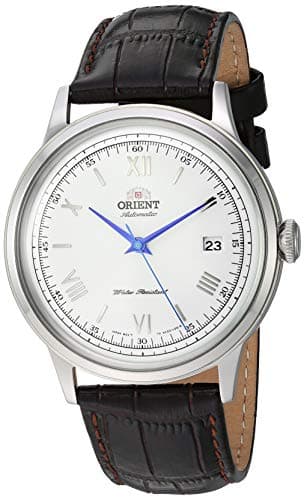
Divers are 200m with a screw-down crown, and ISO 6425 certification is available for the ones that clear the standard. Dress watches are usually 30m — the Orient Bambino here is exactly that. This is not corner-cutting; the thin case, slim crown and snap or display casebacks that make a dress watch elegant are the same features that limit the seal. 30m means splashes and rain, not laps.
Legibility versus restraint
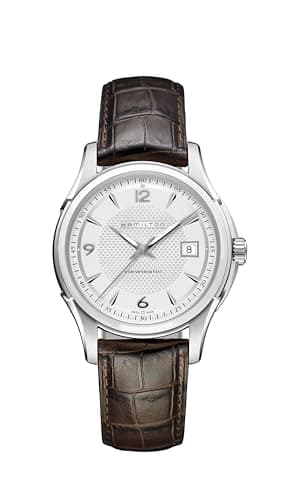
A dive watch is designed to be read in dark water: maximum contrast, oversized markers, lume on the hands, the dial and the bezel pip. A dress watch is designed to look considered: applied slim indices, fine hands, a sunburst or lacquered dial and often no lume at all. If you have ever wondered why a dress watch is hard to read in a restaurant, that is the design working as intended.
Lug width and strap options
Divers cluster at 22mm and use standard even widths, so the whole aftermarket fits — nylon, silicone, rubber, leather. Dress watches sometimes use odd sizes: the Orient Bambino takes 21mm, which narrows the choice considerably and is worth knowing before you buy rather than after. Check your model in our lug width chart first.
Can you wear a dive watch with a suit?
Yes, and most people do. A 40mm diver on a leather or steel bracelet reads as a plain sports watch at any distance anyone will actually look at it, and the alternative — leaving the good watch at home — is worse. The reverse is far less true: a dress watch on a hike or in a pool is both out of place and, at 30m, genuinely at risk.
The one-watch answer
If you truly want a single watch and both of these feel like extremes, the honest middle ground is a 38-40mm three-hander with 100m water resistance and a clean dial — which is what our everyday watch roundup is for. But between these two specifically, buy the diver first. It does more, survives more, and dress watches are much better as second watches than divers are.