An everyday watch is the hardest brief in watches, because it is the only one where the answer is not a specification. It has to be legible enough to read without thinking, tough enough that you stop protecting it, water resistant enough that you never take it off, and plain enough to sit under a cuff without looking like a costume. Almost nothing does all four.
The picks below are ranked on versatility rather than on how impressive the spec sheet is. A watch that is brilliant for one job and awkward for the rest is not an everyday watch — which is why a couple of obvious candidates from our other roundups are missing here, and why a hundred-dollar G-Shock outranks some four-hundred-dollar watches.
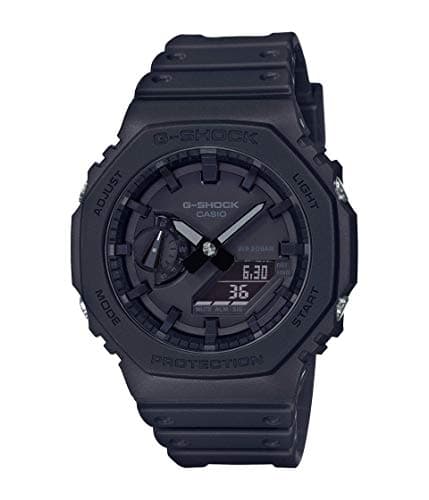
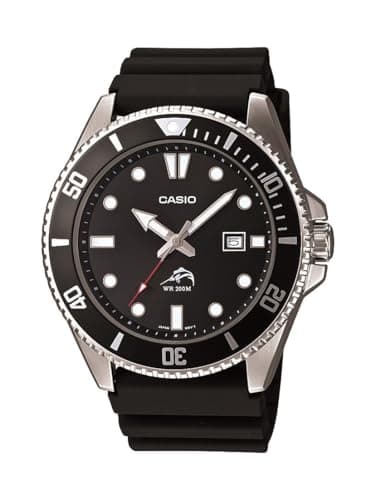
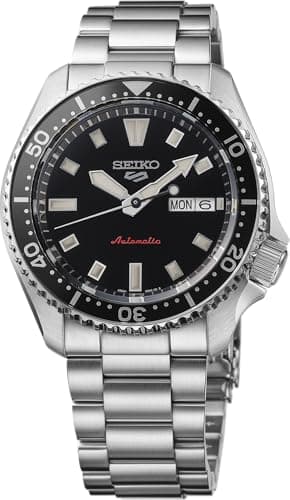
The short version: the Seiko 5 Sports SRPE in steel is the best all-rounder — automatic, 100m, on a bracelet, plain enough for anything. The Casio G-Shock GA-2100 is the answer if you would rather never think about the watch at all. And the Casio Duro does 200 meters for about sixty dollars, which makes it the least risky purchase on this site.
Water resistance is what decides an everyday watch
Not because you will dive with it, but because a watch you have to take off is a watch you eventually leave in a drawer. 100m means you never think about rain, washing up, a shower or a swim. 50m means you think about the swim. 30m means you think about the washing up. This is the specification that most reliably separates a watch you wear every day from one you wear on days you remember to.
Legibility beats interest
A busy dial is fun for a month and tiring for a decade. The watches that survive as everyday watches tend to have high contrast, clear hands and no complications you do not use — which is why plain three-handers and simple divers dominate this list and chronographs are absent. If you find yourself squinting at a watch in a car park in February, it is not your everyday watch.
Size, and the case for going smaller than you think
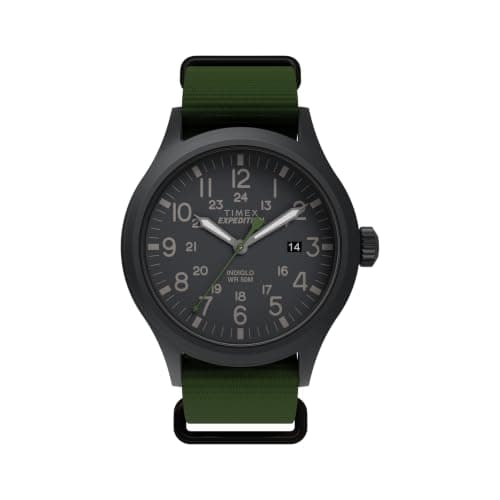
An everyday watch spends time under sleeves, at desks, on handlebars. The ones that disappear are 38mm to 42mm with a lug-to-lug that fits your wrist properly. The Seiko 5 SRPE is 42.5mm with an unusually short 44.6mm lug-to-lug, which is why it wears far smaller than its diameter; the Timex Expedition Scout is 40mm. Check that column rather than the headline number.
Automatic, quartz or solar for daily wear
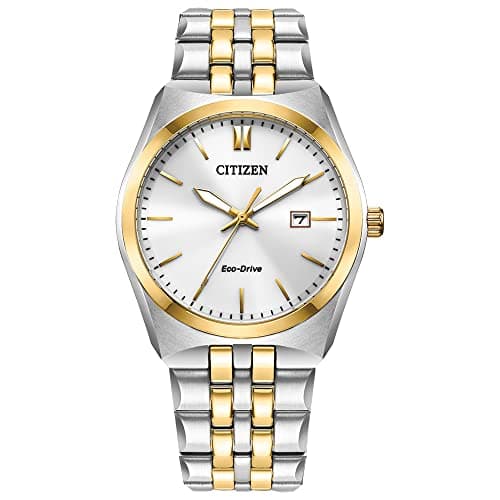
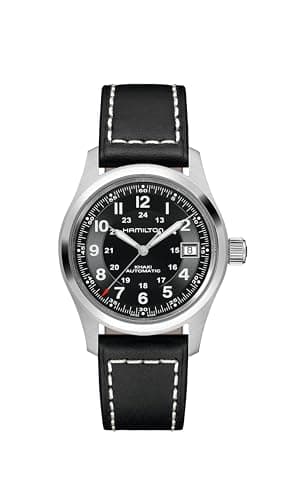
Worn every single day, an automatic never stops and never needs setting, which is exactly the condition it was designed for — the Seiko and the Hamilton both suit this. Solar is the lowest-maintenance option of all. Plain quartz is the most accurate and cheapest. Notably, the argument against automatics — that they stop if you leave them — disappears entirely if the watch genuinely is your everyday watch.
Buy the bracelet or budget for a strap
A steel bracelet is the most versatile fitting for a watch worn in every situation: it survives water, dresses up, and does not smell after a summer. If your pick comes on a strap instead, budget twenty dollars for a nylon or silicone strap and rotate. Leather is the wrong material for a watch you will not take off.
The honest test
After a month, do you still notice you are wearing it? A good everyday watch becomes invisible — you check the time and think about the time, not the watch. If you find yourself managing it, keeping it out of water, taking it off to do things, then whatever it cost, it is a second watch rather than a first one. Buy accordingly.