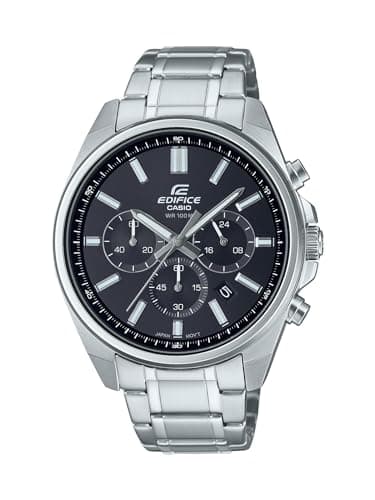
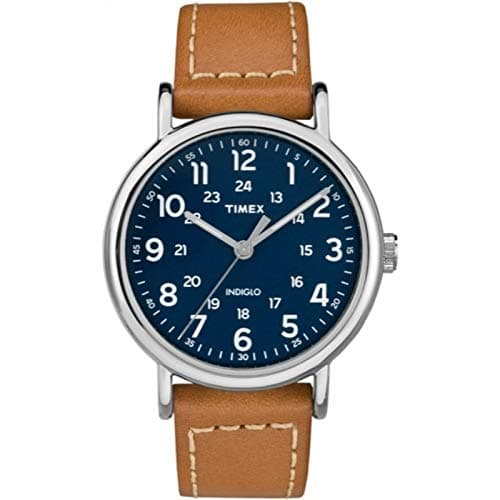
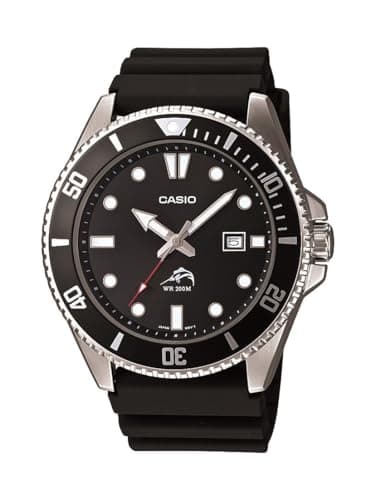
Two hundred dollars is the most competitive bracket in watches, because it is where every major brand fights and where the specifications stopped being a compromise years ago. You can buy a genuine 200-meter dive watch, a titanium field watch, a working chronograph or an automatic here — and in one case, all the capability you will ever need for under seventy dollars.
This list spans categories deliberately. If you know you want a diver or a field watch, our category roundups rank each properly. This page is for the more common situation: you have two hundred dollars and you want the best watch you can get, whatever kind of watch that turns out to be.
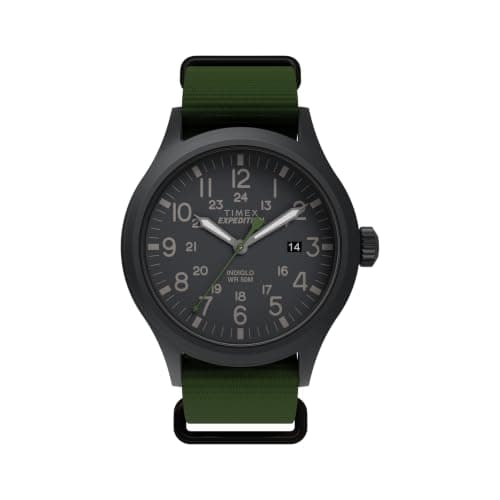
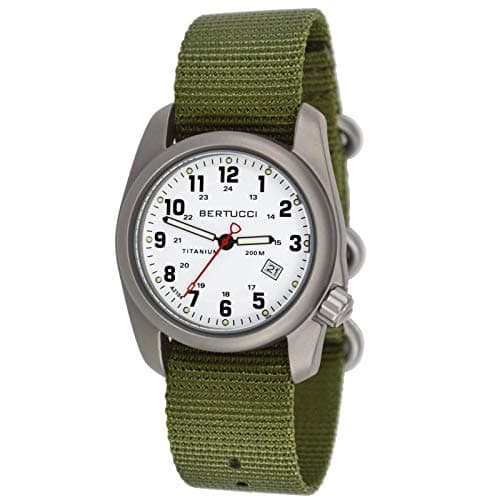
The short version: the Casio Duro is the best watch here and costs a third of the budget. The Timex Expedition Scout is the cheapest thing on this site we would recommend without qualification. And the Bertucci A-2T is titanium, which is a material most brands reserve for watches five times the price.
Decide the category before the budget
The most common mistake at this price is buying whatever looks like the most watch. A chronograph you never time anything with is worse than a plain three-hander you can read at a glance, and a 45mm case is not more watch if it overhangs your wrist. Work out what you actually want — something for the water, something for the office, something you will forget you are wearing — and then spend.
Quartz is not the compromise here
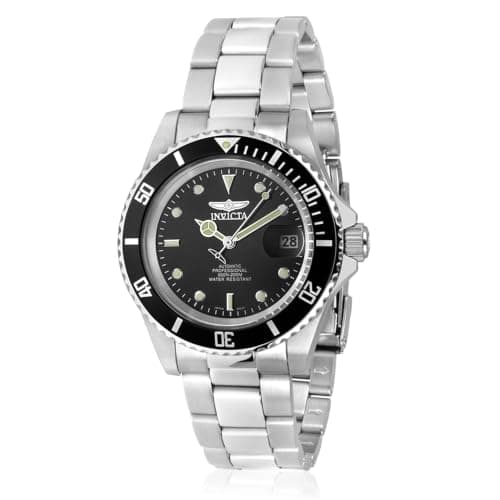
Only one watch on this list is mechanical, and that is not an oversight. Under $200 a quartz movement gives you better accuracy, better water resistance for the money and no servicing, while a mechanical movement at this price is a bought-in caliber in a case built to a tight budget. The Invicta is a genuinely fun way to try an automatic — it uses a real Seiko NH35A — but nobody should feel they are settling by buying quartz in this bracket.
Water resistance is the specification to check
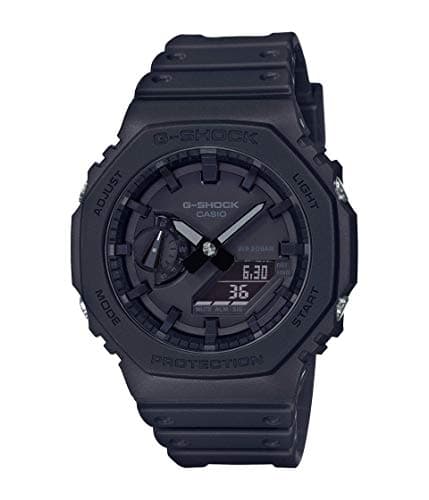
It varies enormously here and does not track price. The Casio Duro and the G-Shock are both rated to 200m; the Invicta is 200m as well. The Timex Weekender is 30m, which is splashes only. If you want one watch for everything including the pool, look at that column before anything else — it is the difference between a watch you never think about and a watch you have to remember to take off.
Titanium at this price is genuinely unusual
The Bertucci A-2T is a titanium field watch at around a hundred and eighty dollars. Titanium is roughly half the weight of steel and does not react with skin, which makes it the answer for anyone who finds steel watches heavy or irritating on a long day. Most brands treat titanium as a premium material; Bertucci treats it as the point of the company.
What you give up under $200
Three things, consistently. Sapphire crystals are rare — most watches here use mineral glass, and that is what will eventually scratch. Finishing is functional rather than refined; cases, hands and dial printing look their price up close. And repairability effectively ends at a battery change. None of that stops any of these watches doing their job well for years.
Spend twenty dollars of the budget on a strap
Almost every watch here ships on a bracelet or strap that is the weakest part of the package, and almost every one takes a standard 20 or 22mm strap. A nylon or silicone strap costs under twenty dollars and improves how the watch wears and looks more than the difference between any two watches on this page. Budget for it from the start rather than spending the last dollar on the watch head.
One pick that came off this page
The Citizen Eco-Drive Avion was ranked here as the solar-and-pilot entry. It repriced in mid-August and has held well above $200 since, so it has come off this list rather than sit under a heading it no longer fits. It is still ranked on our pilot watches under $500 page and in our Citizen roundup.
Two use-case cuts of this price bracket are ranked separately: the LCD watches that need no charging, on the best digital watches, and the washable, seconds-hand watches that suit clinical work, on the best watches for nurses.