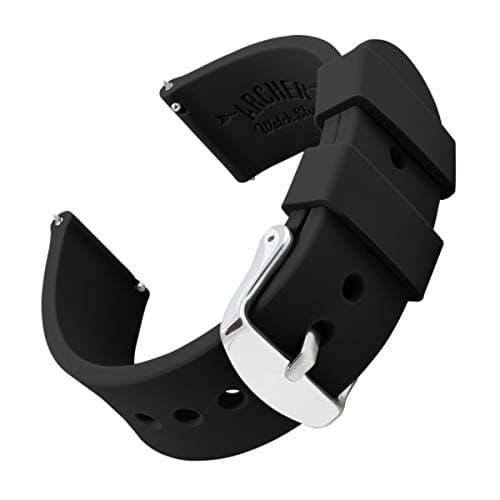
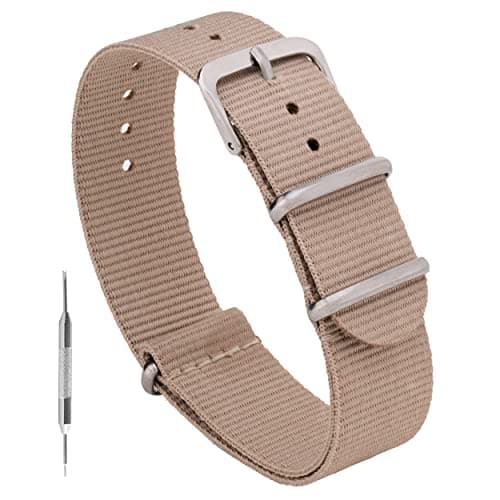
Straps are the one place in watches where cheap is often simply correct. A twenty-dollar nylon strap does the same job as a hundred-dollar one in every way that affects your day: it holds the watch on, it survives water, it changes how the watch looks. The gap between cheap and expensive here is smaller than in any other category on this site.
That does not mean everything cheap is good. Below about ten dollars the hardware starts to bend and the finish wears through within months, and glued-edge "genuine leather" straps crack rather than patina. The six ranked here sit in the band where the compromises are cosmetic rather than functional.
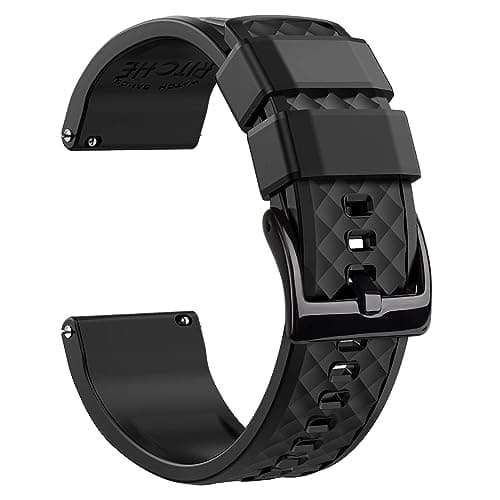
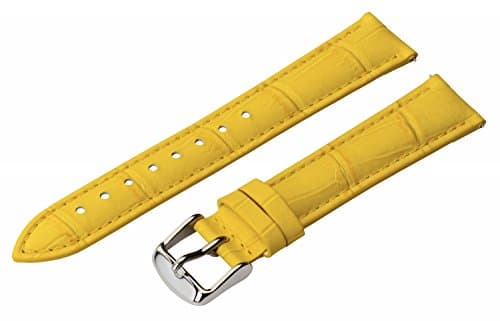
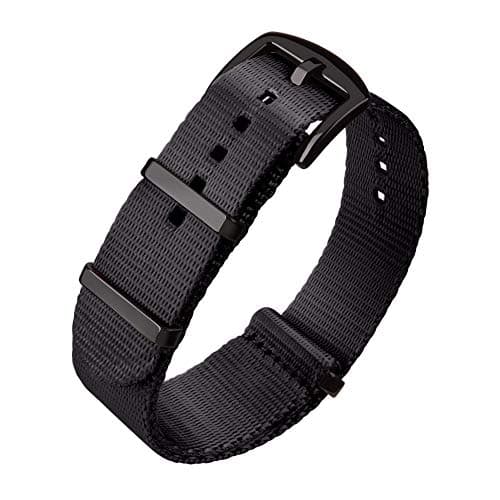
The short version: the Benchmark Basics NATO is under ten dollars and good enough that most people cannot tell it from double the price. The Ritche Silicone has quick-release bars, which almost nothing at this price does. And the Clockwork Synergy croco leather gets you a real calf-leather strap for the price of two coffees.
What twenty dollars genuinely buys
A full-width ballistic nylon strap with functional hardware, in any color and any common lug width. A quick-release silicone strap that is fully waterproof and washable. A calf leather strap with a decent finish. All three of those are real products at this price, and all three will change how a watch looks and feels more than any other twenty dollars you could spend on it.
Where the corners get cut
Three places, consistently. Hardware is the first: budget buckles and keepers are thinner, and the plating wears to base metal at the fold within a year or so. Edge finishingis the second — cheap leather straps have painted or raw edges rather than burnished ones, which is the detail that reads "expensive" at arm's length. And leather grade is the third: at this price you are getting corrected-grain or split leather, which will crack eventually rather than developing the patina that top-grain leather does.
None of those stop the strap working. All of them are visible if you put a cheap strap next to a good one. Whether that matters is entirely down to you.
Quick-release at this price is the thing to look for
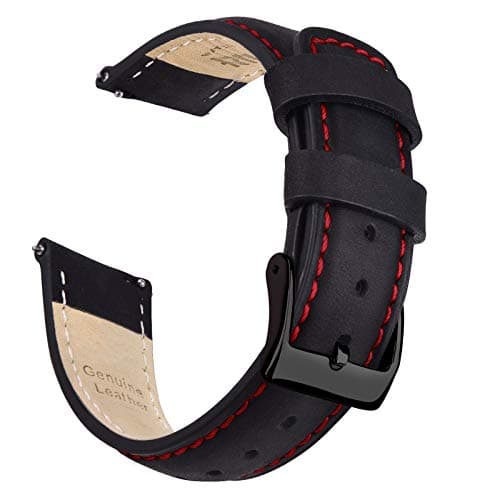
Quick-release spring bars used to be a premium feature and are now available under twenty dollars — the Ritche silicone and leather straps here both have them. It is the single feature that changes behavior, because a strap you can swap in thirty seconds with no tool is a strap you actually swap. If two straps are otherwise equal, take the one with quick-release bars.
Buy three, not one
The correct strategy at this price is volume. A nylon strap for the weekend, a silicone strap for water and a leather strap for anything smarter comes to under sixty dollars and turns one watch into three. Compare that to any other upgrade path in watches and it is not close — a second watch costs at least an order of magnitude more and gives you less variety on your wrist.
The one thing not to cheap out on
Spring bars, if you are replacing them. The bars are what hold the watch to the strap, and a failed one means the watch hits the floor. Straps at this price generally ship with adequate bars, but if you are buying loose spring bars, buy decent ones — it is a few dollars against the price of the watch, and it is the only genuinely load-bearing component in the whole arrangement.
Get the width right first
A cheap strap in the wrong width is a wasted purchase, and returns on a twelve-dollar item are rarely worth the effort. Check your lug width before you buy — measure the gap between the lugs in millimeters, or look the model up in our lug width chart. It is almost always an even number, and 20mm and 22mm cover the overwhelming majority of watches on this site.