Twenty millimeters is the most useful strap width in watches. It is what the Hamilton Khaki Field takes, and the Timex Expedition and Weekender, and the Citizen Promaster divers, and the Invicta Pro Diver, and a large share of every field and pilot watch made. If you are going to own straps in exactly one width, own them in 20mm.
Every strap ranked below is genuinely available in 20mm — that is the entry requirement for this page, and it is why some excellent straps that stop at 18 or start at 22 are not here. Beyond that, they are ranked on material, comfort, hardware and whether they use quick-release bars, which is the feature that turns strap-swapping from a chore into a thirty-second habit.
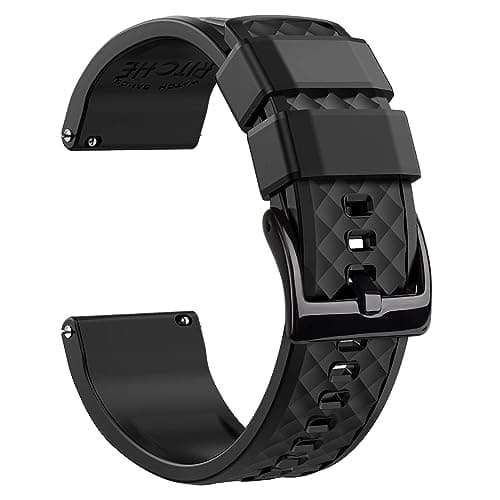
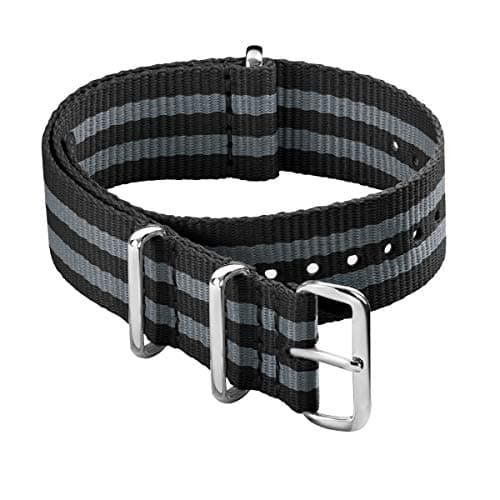
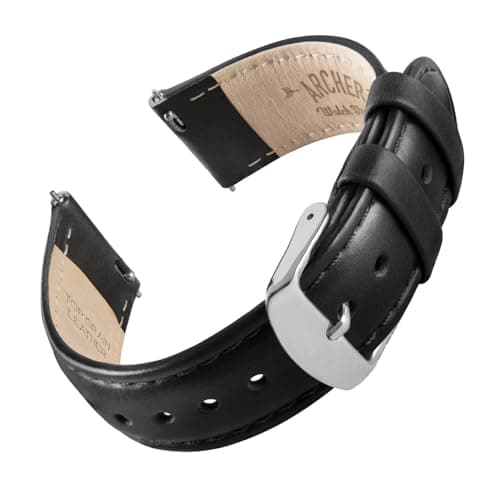
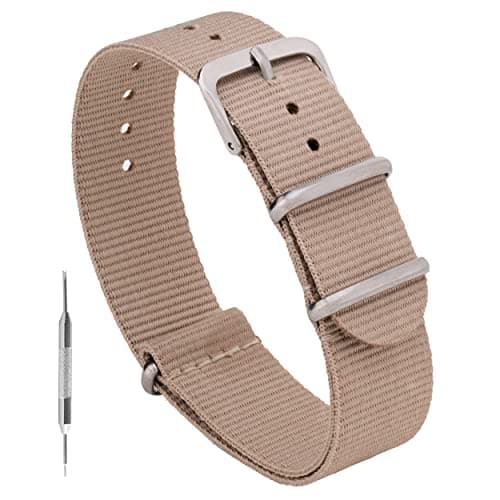
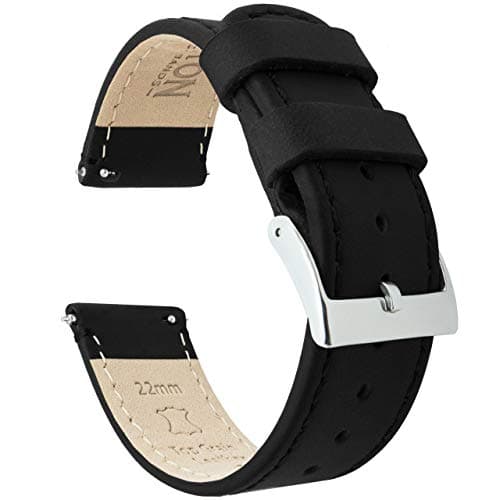
The short version: the Barton Quick-Release Leather is the strap to buy first, because top-grain leather and quick-release bars at that price is the best combination available. The Ritche Silicone is the cheapest rubber strap worth owning. And the Benchmark NATO is under ten dollars, which makes trying a color essentially free.
Confirm the width before you buy anything
Lug width is the gap between the lugs, measured in millimeters, and it is not negotiable — a 22mm strap will not fit a 20mm watch and a 18mm strap will rattle. Measure the gap with a ruler or a caliper, or look your watch up in our lug width chart, which lists the figure for dozens of popular models. It is almost always an even number.
What actually takes 20mm
As a rough rule: field watches, pilot watches and dress watches cluster at 20mm, and dive watches cluster at 22mm. On this site that means the Hamilton Khaki Field, the Timex Expedition Scout and Weekender, the Timex Expedition North, the Citizen Garrison, the Bertucci A-2T, the Citizen Promaster Dive Automatic, the Invicta Pro Diver and the Timex Navi XL all take 20mm — a broader spread of watches than any other single width.
Quick-release bars are worth the extra dollar
A quick-release strap has a tiny lever built into the spring bar. Push it with a fingernail and the bar retracts, so the strap comes off in seconds with no tool and no risk of gouging the lugs — which is the injury almost everyone inflicts on their first watch with a screwdriver. Four of the six straps here have them, and the difference between owning quick-release straps and not is simply whether you actually change them.
The exception is NATO-style nylon, which threads through under the caseback and needs no tools by design. That is a different mechanism to the same end, and it also means the watch stays on your wrist even if a spring bar fails.
Choosing the material for the job
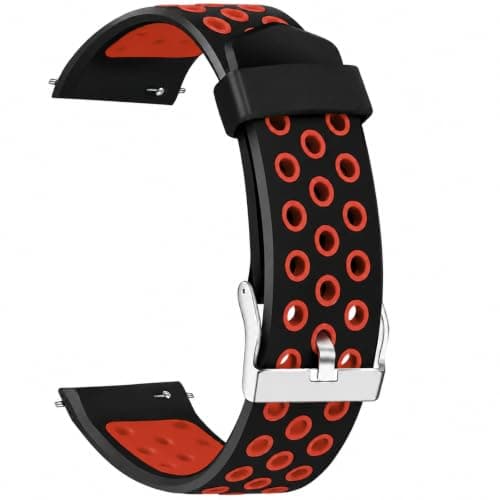
Nylon is the cheap, tough, wash-and-wear answer — the right call for summer, water, sweat and anything you would rather not care about. Leather dresses a watch up and is the most comfortable once broken in, but hates water and will eventually need replacing. Silicone and rubber are waterproof, grippy and the correct choice for anything you swim in, at the cost of looking sporty whatever you put them on.
Strap length, the spec nobody checks
Width decides whether a strap fits the watch; length decides whether it fits you. Most straps here ship in a standard length that suits wrists roughly between 6 and 8 inches, with the buckle sitting somewhere in the middle of that range. If your wrist is at either extreme, check the listing's stated length — our guide to measuring a watch strap covers exactly how to work out what you need.
What to actually buy first
If you own one watch and no spare straps, buy two: a leather quick-release for the office and a nylon or silicone for the weekend and the water. That is roughly forty dollars and it genuinely feels like owning three watches. Buy a third in a color you would not normally choose — at these prices the experiment costs almost nothing, and a strap is the only upgrade in watches where the cheap option is often the right one.
Two adjacent pages worth knowing about. If your measurement came out at 21mm rather than 20mm, the handful of brands that actually make it are on the best 21mm watch straps. And if the watch in question is a Hamilton Khaki Field, the 20mm picks are narrowed for that case on the best straps for the Khaki Field.