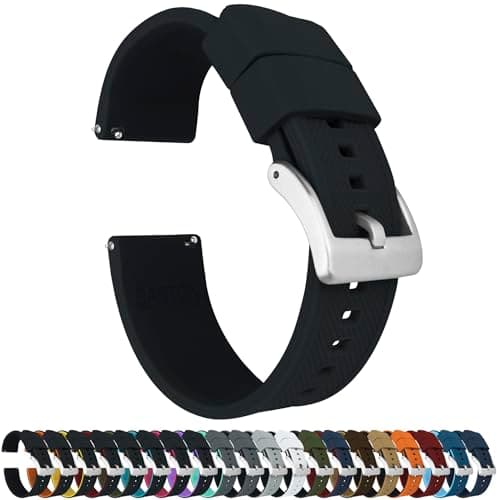
Twenty-two millimeters is the dive watch width. Seiko standardized on it decades ago and the rest of the affordable diving world followed, which means the Seiko 5 Sports SRPD, the Prospex Turtle and Samurai, the Seiko 5 GMTs, the Orient Kamasu, Mako III and Ray II and the Casio Duro all take exactly the same strap.
That is a genuinely useful piece of information, because it means one 22mm strap works across almost every diver on this site. It is also why the 22mm aftermarket is the deepest there is — more materials, more colors and more price points than any other width. That depth extends to steel: if you want to put your diver back on metal, our best watch bracelets ranking covers the 22mm solid-link options and the end-link fit that decides how they look. If the watch in question is specifically a Seiko, go to the best straps for Seiko watches first — several Seiko divers use fat spring bars, and that decides which quick-release straps actually seat properly. And if your watch is bigger still, the 24mm shortlist covers the width above this one, where the choice thins out sharply.
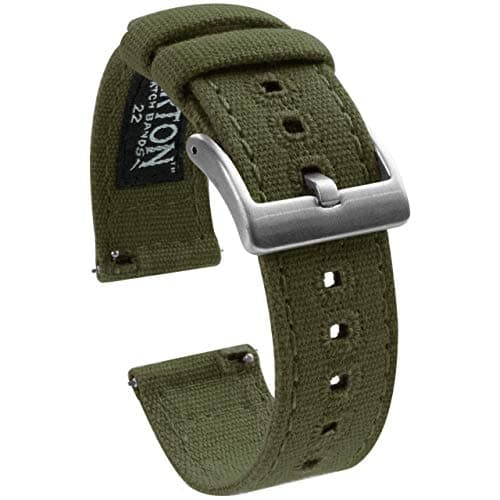
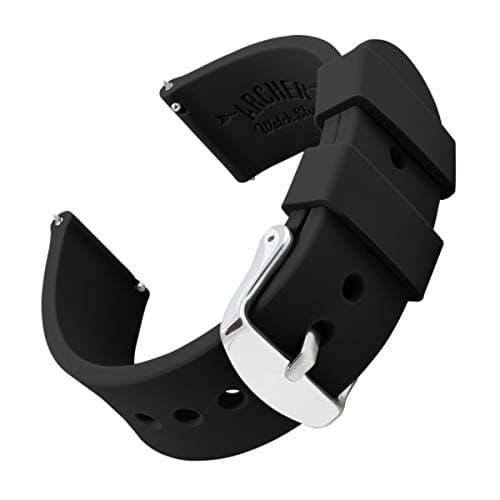
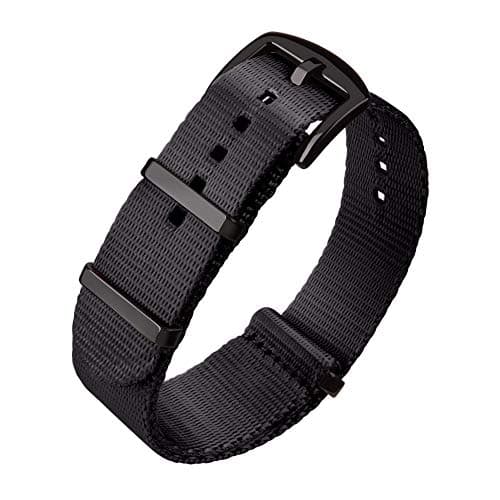
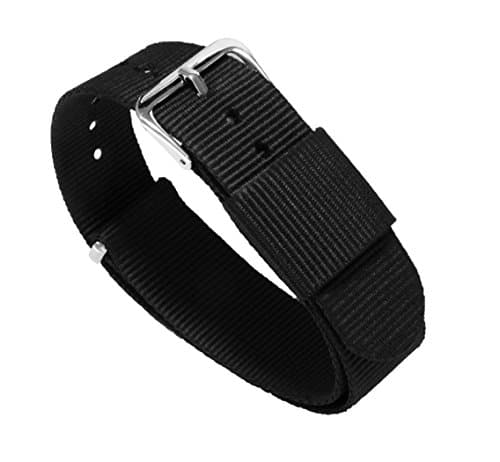
The short version: the Barton Ballistic Nylon is the default, because a single-pass nylon strap is what these watches were designed around and it survives everything. The Barton Canvas is the best-looking upgrade for a diver you wear on land. And the Archer Soft Silicone is the most comfortable thing here if the watch is going in the water.
Why divers settled on 22mm
Dive watch cases are large — 41 to 45mm on this site — and a proportionally narrow strap looks wrong and wears worse, because a wider strap spreads the weight of a heavy case across more of your wrist. Twenty-two millimeters is roughly where that balance lands for a case in the low forties, which is why the width became a de facto standard rather than a rule.
Nylon is the correct default, and here is why
A single-pass or NATO-style nylon strap threads underneath the caseback, which means the watch is held by both spring bars at once. If one fails, the watch stays on your wrist rather than hitting the floor — which is precisely why the design was issued to military divers in the first place. It also dries in an hour, survives salt water, costs almost nothing and comes in every color there is.
The trade is height: a NATO adds a millimeter or two under the caseback, which raises an already-tall dive watch. On a 45mm Turtle that is noticeable. A two-piece nylon strap or a single-pass design without the extra keeper layer sits flatter if that bothers you.
Canvas: the underrated option
Heavy embroidered canvas is the strap that makes a dive watch look deliberate rather than sporty. It is stiffer than nylon out of the box and needs a week of wear to soften, and it holds moisture — so it is not a swimming strap. What it is, is the thing to put on a diver you wear to work, and it suits a field watch equally well.
Rubber for the water, leather for the office
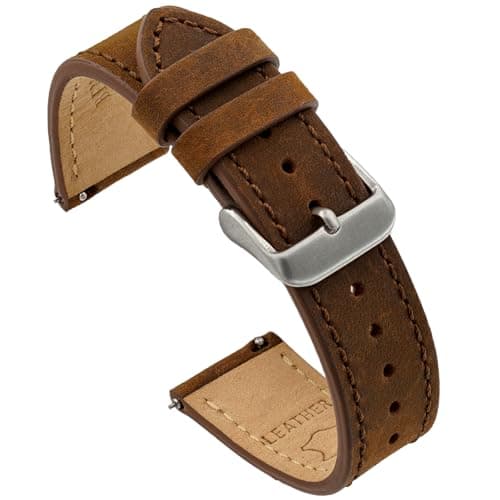
If the watch is going in a pool or the sea regularly, buy silicone or rubber: it is fully waterproof, it rinses clean, and it does not stretch or hold salt the way nylon slowly does. If the watch is going under a shirt cuff, buy leather — but keep the two jobs separate, because a leather strap that gets repeatedly soaked will delaminate and start to smell, and no amount of care prevents it.
Hardware is where cheap straps show
On a nylon strap the fabric is rarely the problem; the buckle and keepers are. Thin stamped hardware bends, and the finish wears through to base metal within a year. The pricier straps here use thicker brushed hardware that matches a steel case properly, which is most of what you are paying for above the ten-dollar mark. It is a real difference and a small one — if budget is tight, buy the cheap strap and replace it, not a worse watch.
Getting the length right on a big watch
Dive watches are tall, and a tall case eats strap length — the strap has to climb over the caseback before it reaches your wrist. If you are between sizes, or if your wrist is under about 6.5 inches and you are strapping a Turtle to it, err toward the longer option and check the stated length rather than assuming. Our measuring guide walks through it.
If your lugs measured 21mm, do not force a 22mm strap into them — the brands that make the odd width are listed on the best 21mm watch straps.