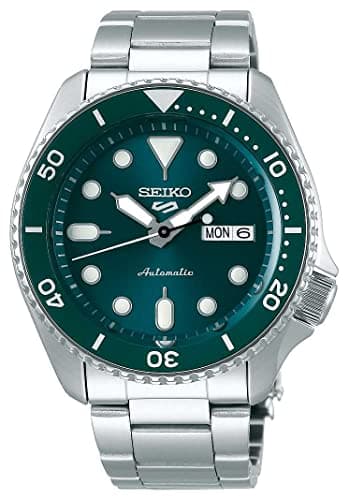
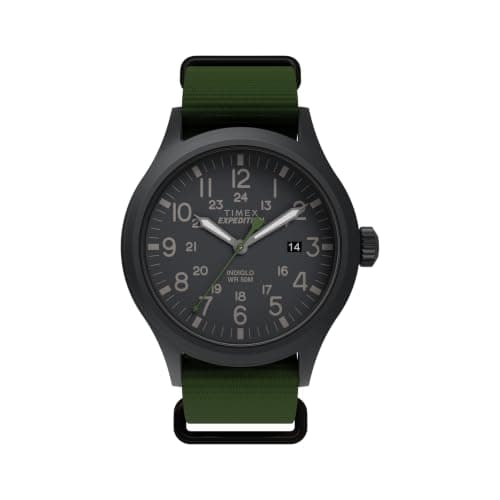
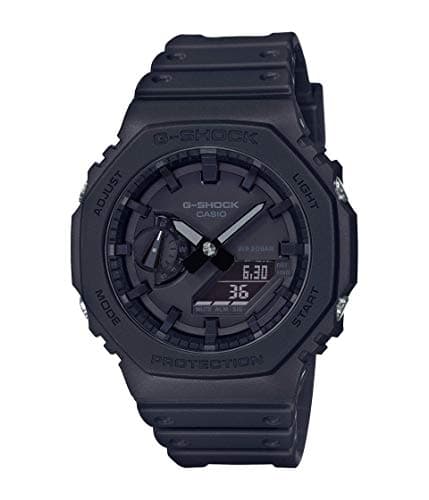
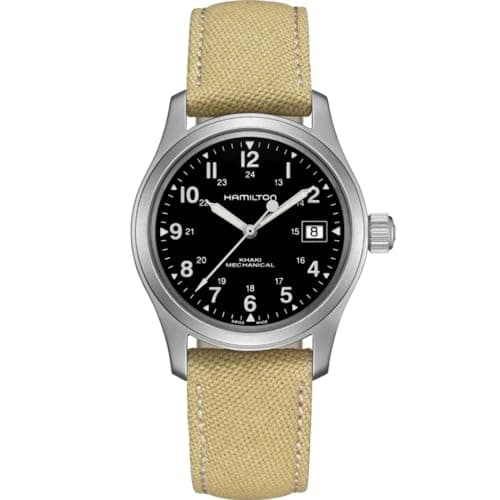
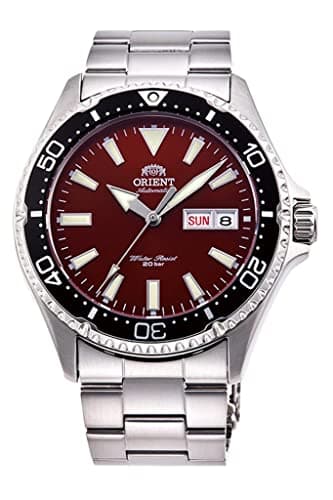
Value is not the same as cheap. A cheap watch is one that costs little; a value watch is one whose specification embarrasses the watches around it. Every pick here does something that a watch at its price should not be able to do — a sapphire crystal on a $300 automatic, a genuine 200-meter rating for sixty dollars, a Swiss movement with an eighty-hour reserve for the price of a mid-range phone.
They are ranked on the same evidence as everything else on this site: published manufacturer specifications, the arithmetic of what those specifications normally cost, and how the watch fits a wrist. That last part matters, because a watch you do not wear has no value at any price. The spec table lists case size, lug-to-lug, lug width, water resistance, movement and crystal for every one.
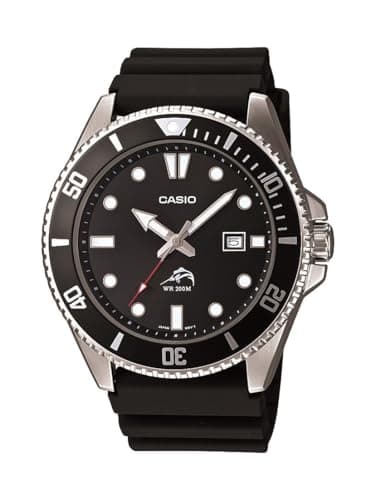
The short version: the Orient Kamasu is the value benchmark of the whole affordable market — a 200m automatic with a sapphire crystal for around three hundred dollars. The Casio Duro is the cheapest genuinely good watch made. And the Hamilton Khaki Field Mechanical is here to make a point about the top of the range: a Swiss watch with an eighty-hour movement is not the extravagance it sounds like.
What we actually mean by value
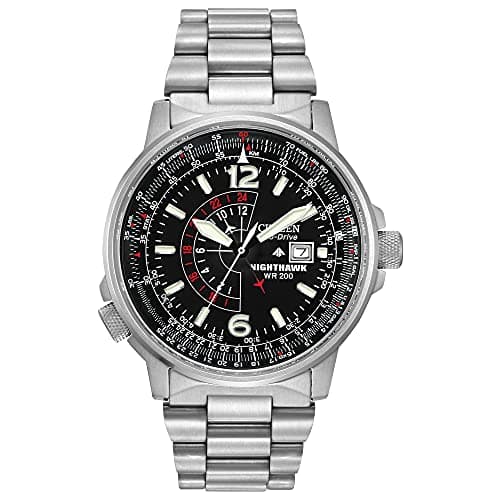
One test: if you covered the price and showed someone the specification sheet, would they guess high? The Orient Kamasu reads like a $600 watch. The Casio Duro reads like a $200 one. The Citizen Nighthawk reads like a $600 pilot watch. That gap between what a watch looks like on paper and what it costs is the only thing being ranked on this page — not whether it is cheap, and not whether it is the best watch in its category.
Sapphire is the clearest value marker there is
It is the component you damage first and the one manufacturers cut to hit a price, which makes it the most reliable single tell. The Orient Kamasu has sapphire at around three hundred dollars, and the Hamilton has it at the top of this list. Everything else here uses mineral or Hardlex — perfectly serviceable, but it is what you would expect at the price rather than a surprise.
Water resistance does not track price, at all
This is the most consistently mispriced specification in watches. The sixty-dollar Casio Duro, the hundred-dollar G-Shock and the three-hundred-dollar Orient Kamasu are all rated to 200m. The Hamilton Khaki Field Mechanical, the most expensive watch on this page, is rated to 50m. If water resistance is what you value, the cheapest watches here are genuinely the better buy and we are not going to pretend otherwise.
Where value stops: movement finishing and brand
Above about five hundred dollars you are buying finishing, a name and resale value, and those are real things that some people want. They are not value in the sense this page means. The Hamilton earns its place because the eighty-hour H-10 movement and sapphire crystal are a genuine step change rather than a polish — but nobody should pretend it is three times the watch the Kamasu is, because it is not.
The cheapest way to add value to any of these
Buy a strap. Every watch here except the G-Shock takes a standard 18mm, 20mm or 22mm strap, and on most of them the supplied bracelet or band is the weakest component. Twenty dollars on a NATO or leather strap improves how a watch looks and wears more than the difference between any two watches on this list. It is the highest-return purchase in the hobby.
What value does not mean
It does not mean buying a watch you will not wear because the numbers were good. A 48mm lug-to-lug diver on a 6.25-inch wrist is a bad purchase at any price, and the most common way people waste money in this bracket is buying specification instead of fit. Check the lug-to-lug column against your own wrist before the crystal, the movement or the price.
And how much is enough?
Value is a ratio; the budget is a separate decision. How much should you spend on a watch takes it bracket by bracket — what the first hundred dollars buys, where sapphire and a screw-down crown arrive, and the point above which you are paying for finishing rather than capability.