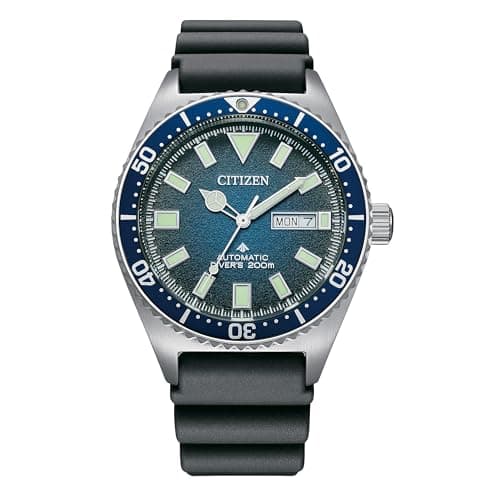
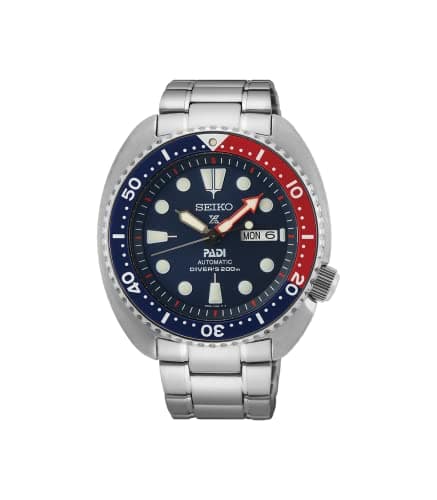
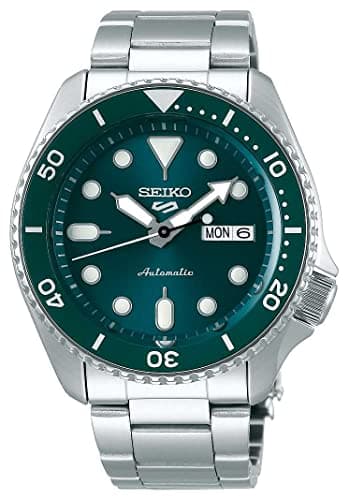
Seiko and Citizen are the two largest watch companies in Japan and they have spent fifty years answering different questions. Seiko's answer is mechanical: it builds its own automatic movements, from the workhorse 4R36 up to Grand Seiko, and its identity is bound up in dive watches and lume. Citizen's answer is light: it built Eco-Drive, put it in almost everything, and effectively solved the battery problem.
That difference is the whole comparison. It is not that one brand is better made than the other — both are genuinely excellent at their respective price points and both have deep histories. It is that they are optimized for different owners.
Buy Seiko if you want a mechanical watch, a dive watch with legendary lume, or the largest aftermarket and resale market in affordable watches. Buy Citizen if you want a watch that runs on light and never needs a battery, better crystals at the same price, and lower long-term ownership cost.
Movements: the fundamental split
Seiko designs and builds its own mechanical calibers — the 4R36 in the Seiko 5 and Prospex lines is one of the most widely used automatic movements in the world, hacking and hand-winding, robust and serviceable almost anywhere. Citizen's center of gravity is Eco-Drive: a photovoltaic cell under the dial charging a capacitor, so the watch runs on ambient light and never needs a battery change. Citizen does make mechanical watches, and Seiko does make solar ones — but each brand's best value sits on its own side of that line.
Dive watches: Seiko's home ground
Seiko effectively defines the affordable dive watch. The Prospex Turtle, the Samurai and the discontinued SKX are cultural objects with an aftermarket that no Citizen enjoys, and Seiko's lume is genuinely the best in the category. Citizen's Promaster divers are quietly superb and frequently better value — ISO-compliant 200m tools, often with better water resistance per dollar, and the Eco-Drive versions never need servicing for a battery. What Citizen does not have is the community and resale that comes with the Seiko name.
Crystals and specification per dollar
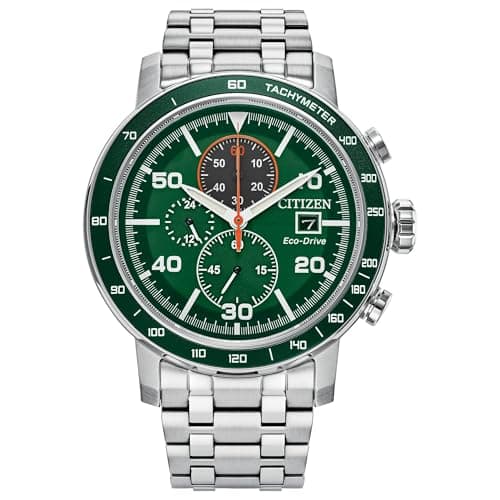
This is where Citizen consistently wins. Seiko fits Hardlex— its own mineral-family glass — to almost everything below Prospex's upper tiers, and it does scratch. Citizen fits sapphire far further down its range, including on the Brycen chronograph here. Since the crystal is the part you scratch, that is a real, felt advantage over years of ownership.
Long-term cost of ownership
A Seiko automatic needs servicing eventually — every seven to ten years by convention, and a service is a meaningful fraction of the price of a Seiko 5. A Citizen Eco-Drive needs essentially nothing: no battery, no winding, no service interval for the movement. Over fifteen years the Citizen is unambiguously cheaper to own. Whether that matters depends on whether you consider servicing a cost or part of the hobby.
Resale, availability and community
Seiko wins comfortably. There is a vast enthusiast community, an enormous aftermarket of straps, dials, hands and bezel inserts, and used Seikos hold value better than used Citizens. If you are the sort of person who will sell a watch to buy the next one, that is a genuine financial argument for Seiko.
The honest split by use case
First mechanical watch: Seiko, no contest — the Seiko 5 SRPD or a Prospex. One watch to never think about: Citizen Eco-Drive. Dive watch you will actually dive with: either, and Citizen is often the better buy on specification. Chronograph: Citizen, because a solar chronograph with a sapphire crystal is unbeatable value. Watch you will modify or resell: Seiko.