Yes. Seiko is a genuinely good watch brand, and unusually it is good for reasons you can verify rather than reasons you have to take on trust. It designs and manufactures its own movements, its own cases and — almost uniquely in the industry — its own hairsprings and mainsprings. Very few watch companies at any price are that vertically integrated, and almost none at Seiko's.
It is also the brand that changed watchmaking twice: it produced the world's first commercial quartz wristwatch in 1969, and it has spent the decades since making mechanical dive watches good enough that its discontinued SKX is still argued about years after production ended.
But "good brand" is not the same as "good at everything," and there are four criticisms of Seiko that are genuinely earned. Both halves are below.
The case for Seiko
It makes its own movements. The 4R36 automatic — hacking, hand-winding, serviceable almost anywhere — is one of the most widely deployed mechanical movements in the world, and Seiko builds it rather than buying it in. That vertical integration is why a Seiko automatic costs what it does.
The lume is the best in affordable watches. This is not a marketing claim; it is the single most consistent observation owners make. Seiko's luminous material is applied thickly and charges fast, and on a dive watch that is a functional advantage.
The range is genuinely enormous. Seiko sells watches from about the price of a strap up to Grand Seiko, which competes directly with Swiss luxury. Almost no other brand spans that.
The aftermarket and community are unmatched. Straps, bezel inserts, dials, hands, service parts, and a body of owner knowledge that dwarfs any competitor at the price. It also means Seikos hold their value comparatively well.
The four fair criticisms
1. Hardlex. Seiko fits its own mineral-family glass rather than sapphire to most watches below the upper Prospex tiers. It scratches, and rivals — Citizen and Orient among them — fit sapphire at similar or lower prices. This is the most legitimate complaint about the brand and the reason the sapphire-equipped Orient Kamasu beats a Seiko 5 on specification.
2. Accuracy tolerances. Seiko specifies the 4R36 at roughly −35 to +45 seconds per day. Most examples run far better, but the published tolerance is wide, and if you are unlucky you have little recourse because the watch is within spec.
3. Reference chaos. There are dozens of Seiko 5 Sports references that look nearly identical, sold under different codes in different regions, some through unofficial channels. Working out which watch you are actually buying is genuinely harder than it should be, and it is a common source of buyer confusion.
4. Price creep. Seiko has raised prices meaningfully over recent years while the specification of the entry models has not moved much. Watches that were unarguable bargains are now merely good value, which is why competitors are worth cross-shopping in a way they were not a decade ago.
Which Seiko should you actually buy?
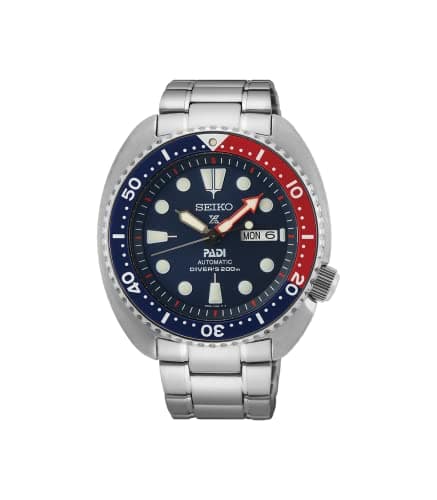
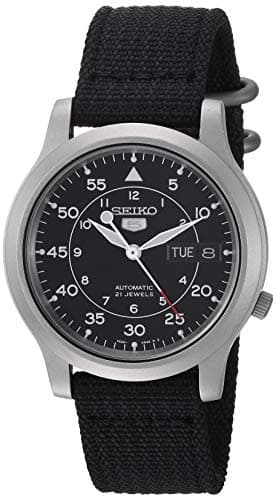
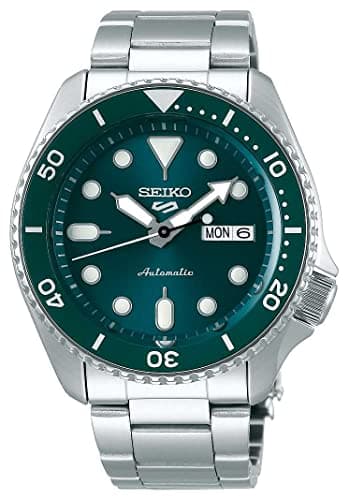
For a first automatic, the Seiko 5 Sports SRPD — the SKX successor, 22mm lugs, the enormous aftermarket. For a real dive tool, the Prospex Turtle, which is ISO 6425 certified and still the value benchmark. For the smallest case, the SNK809 at 37mm, accepting that the old 7S26 movement neither hacks nor hand-winds and that its discontinued listing no longer asks the little money it was famous for. All three are ranked below, and the whole current Seiko 5 Sports line — diver-style, field and GMT — is ranked on best Seiko 5 watches.
Is Seiko a luxury brand?
Not in the mainstream lines, and it does not claim to be. Seiko 5 and Prospex are tool and value ranges. Grand Seiko — now marketed as a separate brand — genuinely does compete with Swiss luxury on finishing and movement design, and is regarded seriously by collectors. Conflating the two is the most common misunderstanding about the company.
So which Seiko should you actually buy?
Across the lines rather than within one, best Seiko watches ranks the ones we would buy — the first automatic, the ISO dive tool, the field watch, the mechanical GMT and the 38mm option — and says what separates Seiko 5 Sports from Prospex in a sentence each. If the shortlist crosses brands, Seiko vs Timex is the comparison most buyers arrive with.