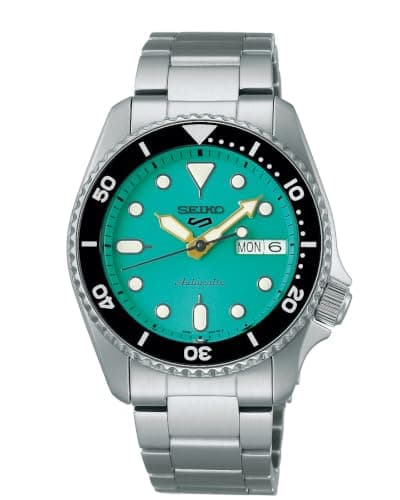
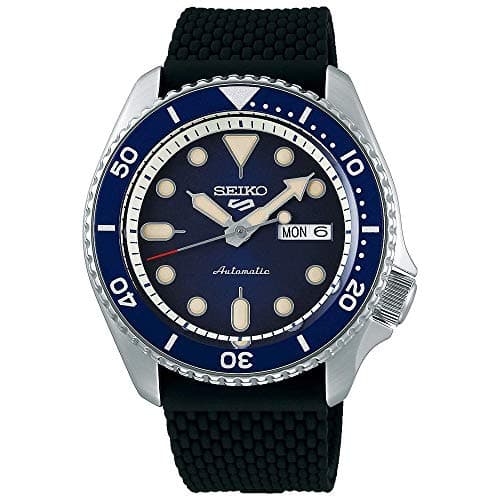
Seiko is the most recommended watch brand on the internet and the hardest to shop, because the catalogue is enormous and the line names tell you almost nothing until somebody explains them. This page ranks the Seikos we would actually buy, across the families, and says plainly what each line is for. Every watch here is an automatic — Seiko's quartz and solar work is good, but the reason to buy this brand rather than Citizen or Timex is the mechanical movement.
The lines, in one paragraph each
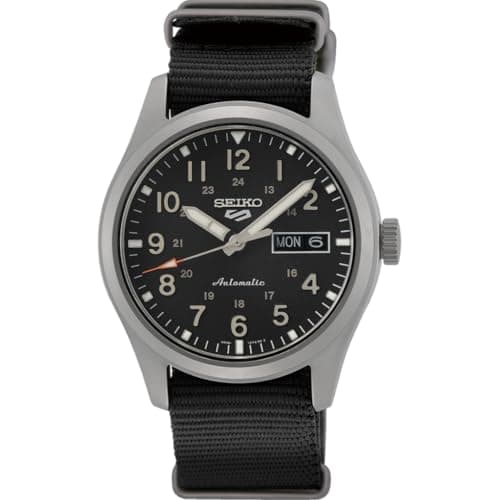
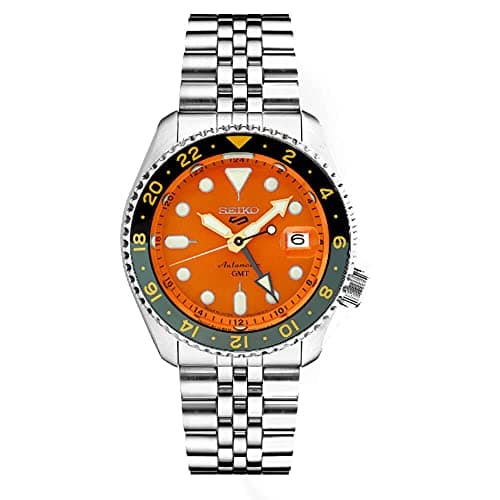
Seiko 5 Sportsis the volume line and the one most people mean when they say “a Seiko”. It is built on the 4R36 automatic — an in-house movement that hacks, hand-winds, runs at 21,600 vibrations an hour and holds roughly 41 hours of reserve — in cases rated to 100m with Hardlex crystals and push-pull crowns. It covers diver shapes, field shapes and a GMT. It is excellent value and it is not a dive watch.
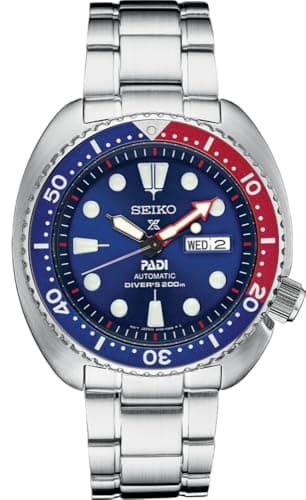
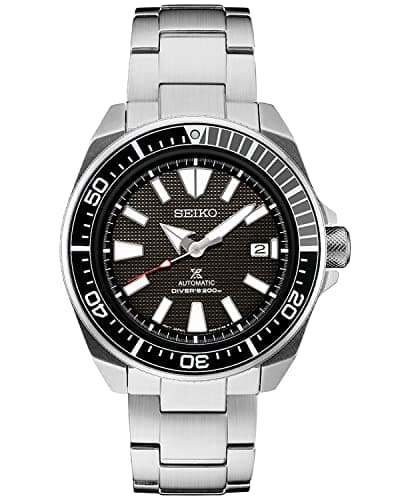
Prospex is the professional line: 200m ratings, screw-down crowns, and on the Turtle an ISO 6425 dive certification. Same 4R36 family of movements in most affordable references, bigger cases, better sealing, more money. This is what to buy if the water is real. The difference is explained in full on what is a dive watch.
Above those sit Presage, King Seiko and Grand Seiko, which are dress and high-finishing lines outside what this site covers. We rank dive, field and tool watches, so this page stops where Seiko's sport catalogue stops.
How we ranked them
In this order. Movement first, because a 4R36 that hacks and hand-winds is a materially better thing to own than the older 7S26 that does neither. Water resistance and crown sealing second, because that is the line between a watch that looks like a diver and a watch that is one. Size third, measured on lug-to-lug rather than case diameter, since a 45mm cushion-cased Turtle spans less wrist than its diameter suggests. Crystal fourth — and on an honest note, every watch on this page uses Hardlex rather than sapphire, which is the single most common complaint about affordable Seiko and a fair one. If sapphire at this price is the priority, the Orient Kamasu has it and we say so on Orient Kamasu vs Seiko 5.
Which one is for you
Your first automatic: the SRPD93. A real dive tool: the Prospex Turtle. An everyday field watch: the Seiko 5 Sports Field, at 39.4mm the most wearable watch here. Travel: the Seiko 5 Sports GMT SSK005, a true mechanical GMT at a price that was impossible five years ago. A sharper-looking Prospex: the Samurai, for people who find the Turtle too round. A smaller wrist: the SRPK33 at 38mm with a 44.2mm lug-to-lug.
The 4R36, and why it is the reason to buy Seiko
Almost every watch on this page runs the 4R36 or its GMT sibling the 4R34. It hacks (the seconds hand stops when you pull the crown, so you can set the time exactly), it hand-winds (you are not stuck shaking a dead watch), it shows day and date, and Seiko services it everywhere. The older 7S26 in the discontinued SNK809 does neither of the first two, which is why that watch has dropped off our recommendations. The mechanical background is on manual vs automatic watches.
The Hardlex question
Seiko uses its own hardened mineral glass rather than sapphire on everything here. It is tougher than ordinary mineral glass and it is not sapphire; it will pick up marks that a sapphire crystal would shrug off. Whether that matters depends on how you treat watches. The material comparison is sapphire vs mineral crystal.
Straps: the quiet advantage
Most of the Seikos here are 22mm, and the 38mm SRPK33 and the field GMT are 20mm. Both are the most-supported widths there are, and the Seiko aftermarket is the largest of any brand — fitted-end bracelets, waffle rubber and sailcloth are all made for these exact cases. Our model-specific list is best straps for Seiko.
What we are not claiming
We do not own these watches, we have not dived with the Turtle and there are no test results on this page. Every specification is Seiko's published figure for the exact listing we link to, scores are judgments from documented research against the rubric on how we review, and anything we could not verify is a dash in the table rather than a guess.