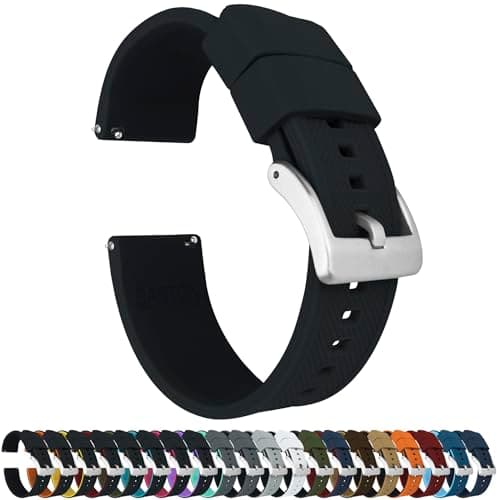
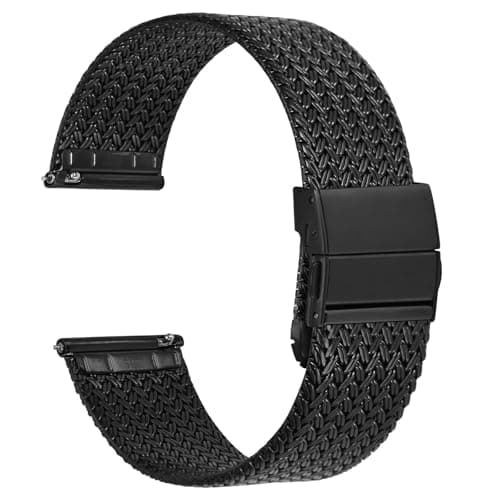
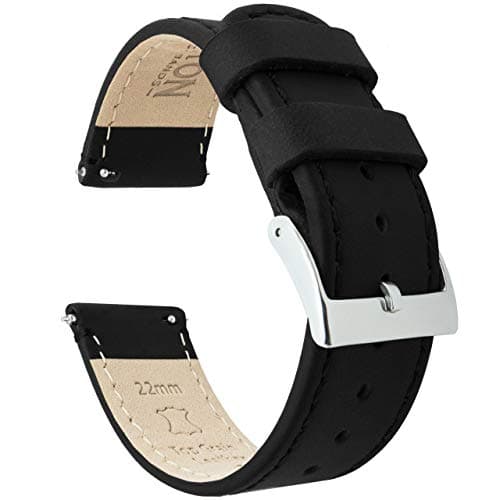
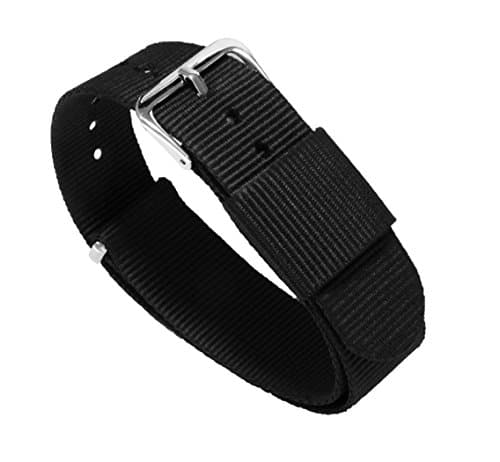
Most of what makes a watch strap unpleasant is you: skin oil, sweat salts and dead skin, trapped against the underside and worked in by body heat all day. That is why a strap starts to smell long before it starts to look worn, and it is why the cleaning method that matters is the one for the inside surface, not the outside.
The good news is that three of the four common materials wash easily with things you already own. The exception is leather, and the single most useful sentence on this page is that leather must not be soaked. Water drives out the oils in the hide, and when it dries the leather shrinks, stiffens and cracks. More straps are destroyed by being cleaned than by being worn.
Before anything else: take the strap off the watch. It takes seconds on a quick-release or NATO strap and a minute with a tool on anything else — the method is on how to change a watch strap. A wet strap left attached pushes moisture into the lug holes and against the caseback, which is the one place on a water-resistant watch you do not want standing water sitting.
What you need
Warm water, a drop of mild dish soap or unscented hand soap, a soft brush (an old toothbrush is the standard answer), a microfibre cloth, and for leather only, a dedicated leather conditioner. No bleach, no alcohol, no acetone, no washing machine, and no hairdryer.
The mistakes that actually destroy straps
Soaking leather. Already said, worth repeating, because it is the most common and the most final. A leather strap that has been submerged and dried will be stiff, shrunken and cracked, and no conditioner recovers it.
Heat. A radiator, a hairdryer or a sunny windowsill dries a strap fast and ruins it faster. Leather cracks, rubber hardens, nylon can distort. Everything on this page air dries at room temperature.
Solvents and bleach. Alcohol, acetone and chlorine bleach attack every one of these materials, strip dye, and in the case of rubber can leave a tacky surface that never recovers. Mild soap is sufficient for a strap; if it is not sufficient, the strap is finished.
The washing machine. People do put NATO straps through one. It mostly works and it also batters the hardware, so if you insist, use a mesh laundry bag and a cold cycle — and accept that you are treating a ten-dollar strap as disposable, which it arguably is.
Chlorine, salt water and sunscreen
These three do most of the long-term damage to a strap that gets used properly. Chlorine and salt both leave residues that keep working after you get out of the water, so the rule is simple and it applies to every material: rinse in fresh water the same day. Sunscreen is the quiet one — it degrades some rubber compounds and stains light-coloured nylon and leather permanently.
FKM rubber is the material that handles all three best. Its makers specifically claim resistance to sunscreen and salt, which is why the tropic and waffle FKM straps are the ones we recommend for anything that goes in the water, and why the rubber-lined sailcloth hybrids exist at all — a woven face with no leather layer behind it to absorb any of this.
Smell, specifically
A strap that smells is a bacterial problem, not a dirt problem, and the fix is to get the underside properly clean and then properly dry. Two practical measures beyond washing: let the strap dry out between wears rather than putting a damp watch straight back on, and do not wear it too tight, because a strap pressed hard against skin all day cannot breathe or dry.
Material matters here too. Silicone can hold odour; FKM rubber is specifically better at not doing so; perlon and nylon are the most breathable; and a steel mesh strap is effectively odour-proof because there is nothing in it to absorb anything.
When to stop cleaning and start replacing
A leather strap that has gone hard, dark and cracked at the fold is finished — it will keep getting worse and the next stage is the strap failing at the spring bar. Nylon with a frayed, elongated hole is finished. Rubber that has gone tacky or chalky is finished. Mesh with a stretched clasp is finished.
The economics make this an easy decision: a replacement strap costs less than most people spend on lunch, and a new one transforms the watch in a way a cleaned old one does not. The four picks on this page are the ones we would buy as replacements in each material. For how long each material should last before you get to this point, see how long watch straps last.