Five hundred dollars buys a great deal of tool watch, provided you buy the function rather than the styling. This is the category where the gap between the two is widest: a watch with three sub-dials that do not start and stop is a date watch in a chronograph costume, and a "pilot" watch is often just a big dial with a large crown.
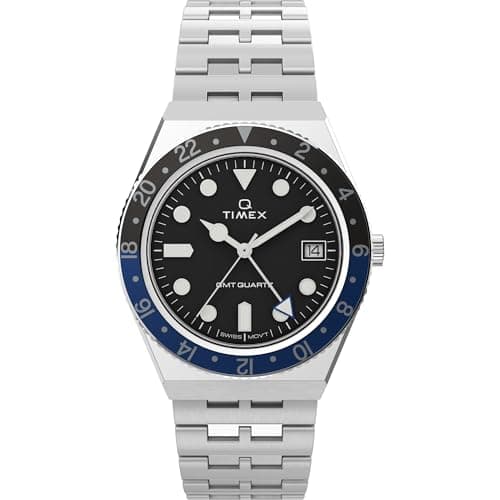
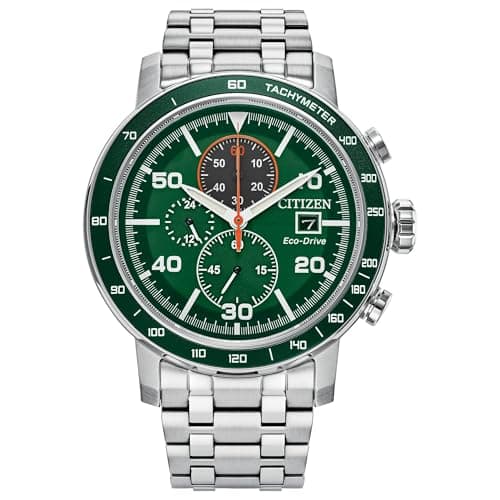
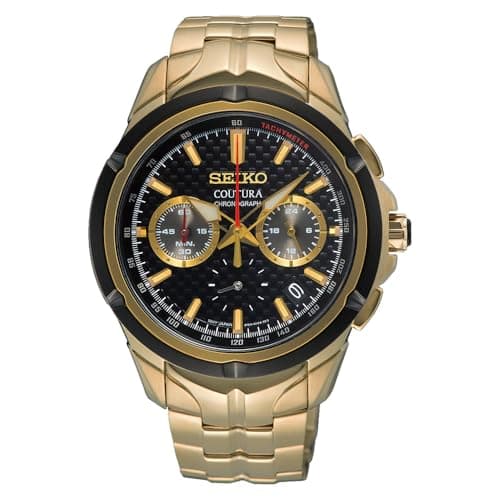
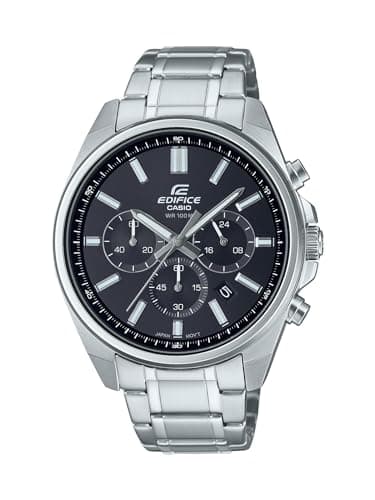
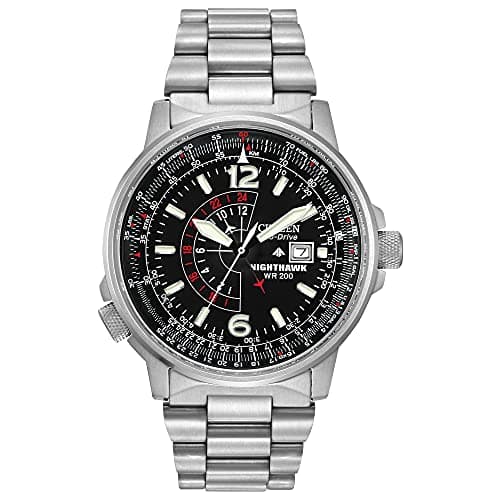
Everything ranked here does the thing it says. The Citizen Nighthawk has a working slide rule and a dual-time hand. The Timex Q GMT has a genuine 24-hour hand and a bidirectional bezel. The Brycen, Coutura and Edifice all have chronographs whose pushers actually run a timer. We have said in each entry which complication you are paying for and who needs it.
The short version: the Citizen Nighthawk is the most watch-per-dollar in this tier — Eco-Drive, dual time, slide rule, 200m — and it is the pick we would make without much hesitation. The Timex Q GMT is the cheapest honest way to own a second timezone. And the Casio Edifice is the working chronograph for people who do not want to spend three figures at all.
Which complication do you actually need?
Be honest about this before you spend, because complications carry a real premium and a lot of them go untouched. A chronograph is a stopwatch — the most broadly useful of the three, for timing anything from a parking meter to a run. A GMT shows a second timezone on a 24-hour hand, which is invaluable if you travel or work across zones and dead weight if you do not. A slide rule bezel does unit conversions and fuel arithmetic; almost nobody uses it, and it is bought for the look, which is fine as long as you know that.
Solar and Eco-Drive: the quiet advantage in this tier
Three of the six picks here run on light. That matters more on a tool watch than anywhere else, because a chronograph or a multi-function movement drains a battery faster than a plain three-hander, and a dead battery in a watch with a screw-down caseback is a trip to a counter that may or may not reseal it properly. Citizen's Eco-Drive is the longest-established version and the reason Citizen dominates the value end of this list.
Quartz versus mechanical for a complication
Under $500, quartz wins a complication comparison decisively. A mechanical chronograph at this price essentially does not exist; a mechanical GMT barely does. A quartz chronograph measures to a tenth of a second, resets instantly, and costs a fraction of what the mechanical version would. If you specifically want a mechanical complication, the Seiko 5 Sports GMT is the one genuine option near this budget and it sits just above it — everything else here is quartz and better for it.
Water resistance across this group
It varies more than you would expect. The Nighthawk is rated to 200m, which is unusual for a pilot watch and makes it a genuine everyday tool. Several of the chronographs sit at 100m, which is a swim-and-shower rating. Read the column above before assuming a "tool watch" can be treated like a diver — the styling does not tell you.
Legibility is the specification nobody lists
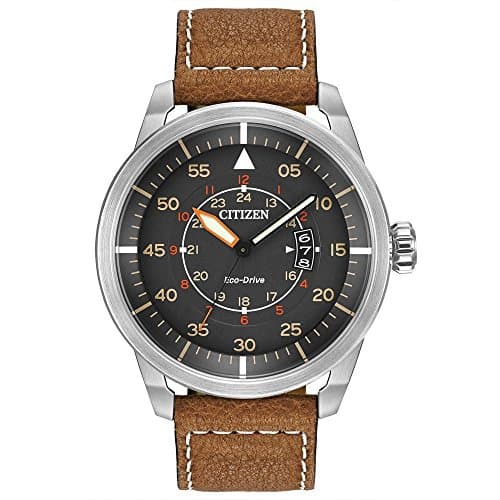
The whole idea of a tool watch is reading it fast, and a busy dial defeats that. The Citizen Avion and the Timex Q GMT are the two most legible watches on this page by a distance, because they do the least. The Nighthawk, for all its virtues, is a dense dial with two scales on the bezel and a dual-time track — brilliant, but not a glance-and-go watch. If legibility is the point for you, buy the simplest thing that has the function you need.
Straps and the size question
Most of this group uses 20 or 22mm lugs, which means the strap drawer this site is built around covers all of it. The cases run larger than the field watches elsewhere — tool watches earn their dial space — so read the lug-to-lug column against your wrist rather than the diameter, particularly for the pilot picks, which are traditionally the biggest watches in any collection.