Skip to content
Lug Leather

Guides · Guides & Comparisons

What Is a Skin Diver Watch?

A specific 1950s and 60s dive watch shape that modern divers grew out of — thinner, smaller, and with no crown guards at all.

By Stephen V.Updated How we research
#ad

We earn a commission when you buy through our Amazon links, at no extra cost to you. It never affects our picks, and we say so when the cheaper watch is the better buy. How this works.

A skin diver is a specific style of dive watch from the 1950s and 60s, made for free divers and snorkellers rather than for saturation diving. The defining features are consistent: no crown guards, a relatively thin case with a straight or gently sloping profile, a modest diameter — usually 36mm to 40mm — a bezel, and often a domed acrylic crystal.

The term comes from the sport, not the watch. "Skin diving" meant diving without a suit or scuba gear, and the watches made for it did not need the extreme pressure ratings or the protective architecture that scuba watches acquired through the 1960s. The result is a shape that is much closer to a normal watch than a modern diver is.

The short version: skin divers are mostly a vintage and microbrand category today, and we will say so plainly rather than pretend otherwise. Below we explain what defines the style and rank the closest things you can actually buy from mainstream brands — starting with the Timex Navi XL, which is a genuine skin-diver homage.

The short answer

Quick picks

#WatchBest forScorePrice
01
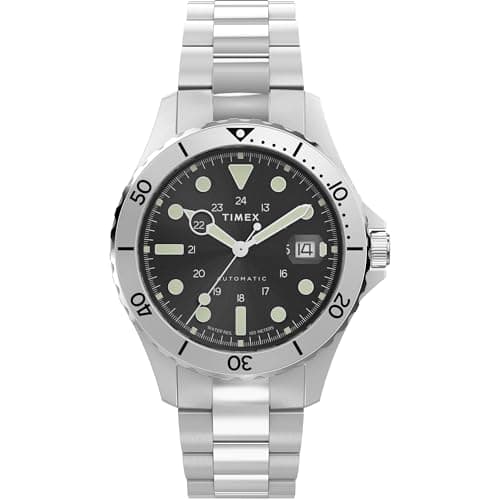
Timex Timex Navi XL
Timex Navi XL

A vintage-skin-diver look in Timex quartz — cheap, characterful, not a real dive tool.

Vintage skin-diver style
6.6
$279.00Amazon
02
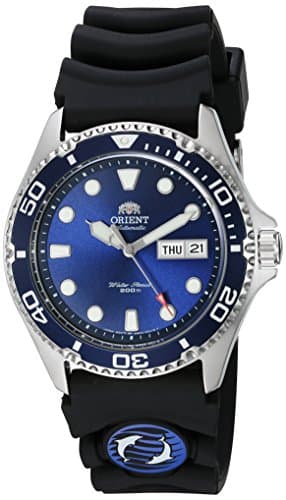
Orient Orient Ray II
Orient Ray II

The plainer-dialed sibling in the same 200m case — clean applied markers, day-date at three.

A cleaner dial
7.8
$269.98Amazon
03
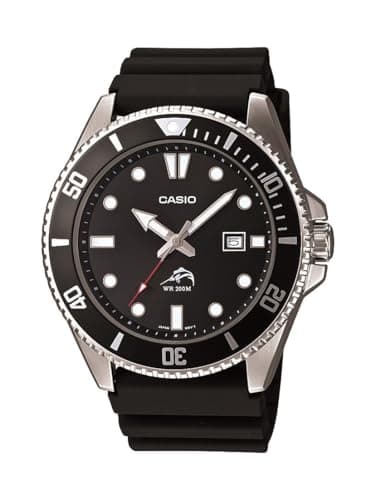
Casio Casio Duro MDV106
Casio Duro MDV106

The famous $60 200m quartz diver. Nothing at the price is more watch.

The best cheap diver alive
7.8
$66.26Amazon

#ad · Live prices from the Amazon Product API, as of Sep 5, 2026. Where we have no verified live price, we show none — we would rather leave a gap than print a number that has rotted.

Side by side

The spec table

Every published number that decides fit and function — including the lug width, so you know which strap fits before you buy.

WatchCaseLug-to-lugLug widthWater resMovementCrystal
Timex Navi XL41mm20mm100mQuartzMineral
Orient Ray II41.5mm47mm22mm200mOrient F6922 automaticMineral
Casio Duro MDV10644mm48mm22mm200mQuartzMineral

In detail

The picks, in full

01
Timex Timex Navi XL

Vintage skin-diver style

Timex Navi XL

41mm20mm lug100mQuartz
6.6/10

A vintage-skin-diver look in Timex quartz — cheap, characterful, not a real dive tool.

Legibility
7
Build
5
Movement
6
Versatility
7
Value
8

Pros

  • Genuinely charming 1960s skin-diver styling for very little money
  • Quartz accuracy and a friendly 41mm case

Cons

  • 100m and no screw-down crown — this is a style piece, not a dive instrument
  • Timex build is what it is at the price; the case finishing is basic

Skip this one if…

you want something you can actually swim laps in without a second thought. The Casio Duro costs about the same and is rated to a real 200m.

$279.00View on Amazon

Price as of Sep 5, 2026. Prices change — Amazon's is the one that counts.

#ad · we may earn a commission from this link to Timex Navi XL

02
Orient Orient Ray II

A cleaner dial

Orient Ray II

41.5mm22mm lug200mF6922 automatic
7.8/10

The plainer-dialed sibling in the same 200m case — clean applied markers, day-date at three.

Legibility
8
Build
7
Movement
8
Versatility
8
Value
8

Pros

  • The same proven 200m automatic platform in a slightly more restrained dial
  • Strong lume and a comfortable case shape

Cons

  • Mineral crystal
  • Older reference — availability and colorways are patchier than the Kamasu

Skip this one if…

you want the newest of Orient's divers. The Kamasu is the current, sapphire-equipped evolution of this exact watch.

$269.98View on Amazon

Price as of Sep 5, 2026. Prices change — Amazon's is the one that counts.

#ad · we may earn a commission from this link to Orient Ray II

03
Casio Casio Duro MDV106

The best cheap diver alive

Casio Duro MDV106

44mm22mm lug200mQuartz
7.8/10

The famous $60 200m quartz diver. Nothing at the price is more watch.

Legibility
8
Build
6
Movement
7
Versatility
8
Value
10

Pros

  • A genuine 200m water-resistance rating for the price of a nice dinner
  • Quartz means it keeps better time than any of the automatics here and needs nothing from you
  • The unofficial 'Marlin' has a decade-long reputation as the internet's default cheap watch

Cons

  • The bezel action is scratchy and the bracelet is the first thing owners replace
  • No screw-down crown, so despite the 200m rating it isn't ISO-certified

Skip this one if…

you want a mechanical watch you can feel ticking. This is a quartz, and that is precisely why it is so accurate and so cheap — but it will never scratch the enthusiast itch.

$66.26View on Amazon

$84.9522% off

Price as of Sep 5, 2026. Prices change — Amazon's is the one that counts.

#ad · we may earn a commission from this link to Casio Duro MDV106

The five features that define a skin diver

No crown guards — the crown sits exposed on the case side, which is the single most recognizable trait. A thin case, because there is no thick gasketed architecture. A small diameter, typically 36mm to 40mm. A bezel, usually with a full 60-minute scale rather than the 15-minute graduation of later divers. And often a domed acrylic crystal, which distorts the dial at an angle in a way collectors specifically want.

How it differs from a modern dive watch

Modern divers grew crown guards, thicker cases, screw-down crowns and 200m ratings as scuba use became the design target — and ISO 6425 formalized the requirements. A skin diver usually predates all of that. The practical result is that a skin diver wears far more like an everyday watch: thinner under a cuff, smaller on the wrist, and lighter. It is also, by modern standards, a less capable dive tool, and vintage examples should be treated as not water resistant at all until pressure tested.

Why the style is having a moment

Because watches got smaller again. After twenty years of 44mm divers, a 38mm bezel watch with no crown guards is the obvious correction, and it happens to suit the wrists of people who found modern Prospex and Promaster cases too large. It is the same reason the vintage reissue has become a category of its own across the industry.

What you can actually buy today

Honestly: not much from the mainstream brands. The Timex Navi XL is the closest thing here — a 41mm vintage skin-diver homage with a 20mm lug width and a 100m rating, which is the right shape and the right rating for the style. Beyond that, most genuine skin divers are either vintage pieces or come from microbrands we cannot verify listings for, so we do not rank them. If you want the look from a brand with a service network, the Timex is the answer.

If what you want is the size, not the style

A lot of people looking for a skin diver are really looking for a smaller dive watch. If that is you, the Orient Ray II at 41.5mm with a 47mm lug-to-lug and the Casio Duro are both far more capable modern divers, and our small-wrist dive watch page ranks the field properly by lug-to-lug. You will lose the exposed crown and the vintage profile, and you will gain a genuine 200m case.

Buying vintage: the one warning

A sixty-year-old dive watch is not a water-resistant watch. Gaskets perish, crystals craze, and casebacks that have been opened by a previous owner may never have been resealed properly. Assume any vintage skin diver is splash-resistant at best until a watchmaker has pressure tested it, and never take one swimming on the strength of the number printed on the dial.
How we picked

We do not run a testing lab

We compiled the published manufacturer specifications for every watch here — case size, lug-to-lug, lug width, water resistance, movement and crystal — did the wrist-fit and value math, and scored each pick against a published rubric. The scores are judgments from documented research — they are not measurements we took or wrist-time we logged, because we do not have these watches and we are not going to pretend we do. Where a spec could not be verified we wrote "data unavailable" rather than guessing.

Questions

Frequently asked

What is a skin diver watch?
A style of dive watch from the 1950s and 60s made for free diving and snorkelling rather than scuba. The defining features are no crown guards, a relatively thin case, a modest 36mm to 40mm diameter, a rotating bezel and often a domed acrylic crystal. The name comes from the sport, not the watch.
What is the difference between a skin diver and a dive watch?
A modern dive watch has crown guards, a thicker case, a screw-down crown and typically a 200m rating built for scuba use, with ISO 6425 as the formal standard. A skin diver predates most of that: no crown guards, thinner, smaller and less capable in water, but far more wearable day to day.
Can you buy a new skin diver watch?
From mainstream brands, options are limited. The Timex Navi XL is a genuine skin-diver homage at 41mm with a 20mm lug width and a 100m rating. Most other true skin divers today are either vintage pieces or come from small microbrands, which is why the style is easier to admire than to shop for.
Are vintage skin diver watches water resistant?
Assume not. Gaskets perish over decades, acrylic crystals craze, and casebacks opened by previous owners may never have been resealed properly. Treat any vintage skin diver as splash-resistant at best until a watchmaker has pressure tested it, regardless of what is printed on the dial.
Why do skin diver watches have no crown guards?
Because they predate the design change. Crown guards were added to dive watches through the 1960s as scuba use became the target and protecting the crown from knocks mattered more. Skin divers were made for free diving and snorkelling, where the exposed crown was an acceptable trade for a thinner case.

Keep reading

Receipts

Sources

We do not run a testing lab, and we do not pretend to. Every spec above traces to a manufacturer listing or a named standard; where we could not verify something, we say so on the page rather than quietly leaving it out. Read our full method.