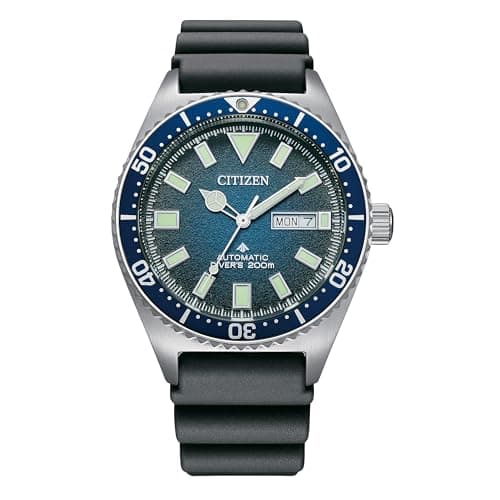
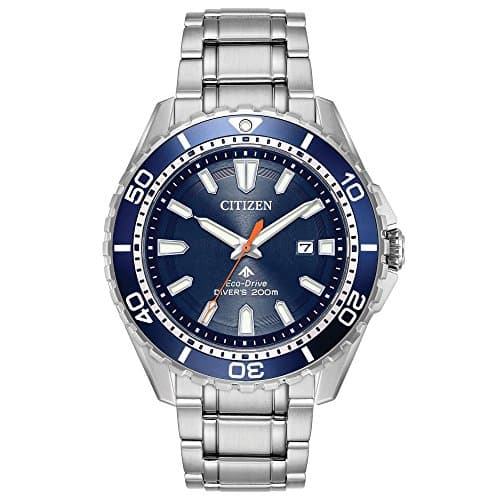
A water-resistance rating on a dial is a laboratory result from a sealed case. A screw-down crown is what keeps the case sealed in the real world. It threads into the case tube and compresses its gasket, so the one hole in the case that a person operates every few days is clamped shut rather than merely plugged — and that is why every genuine dive watch has one. Our screw-down crown vs push-pull explainer covers the mechanism. This page is the shopping list it points at.
Why it deserves its own page: a push-pull crown left a hair out of its seat looks exactly like a seated one, and the watch will take on water at the kitchen sink while the dial still says 100m. A screwed crown cannot be left half-closed without you feeling it. If you swim, shower, sail, wash a car or work outdoors in weather, this is the single most useful specification to filter on — more useful than crystal, more useful than movement.
The ranking below goes: published water-resistance rating and whether the rating is independently specified (ISO 6425 or not), then what else the case does to stay sealed — a screwed caseback counts, and so does a movement that never needs the case opened at all — then crystal, then fit. Every number in the table is a published manufacturer figure. Where a maker publishes no lug-to-lug, the cell reads "—".
How to tell, before you buy
Three tells. First, the listing text: makers who fit a screwed crown say so, because it costs them money. Second, the water-resistance rating — 200m with a push-pull crown is rare enough that it is worth a second look, while 30m and 50m watches almost never have one. Third, the crown itself: a screw-down crown is usually larger, often guarded by shoulders, and photographs with visible knurling because you have to grip it. None of that is foolproof, which is why the spec table above exists.
The rating is not a depth promise
This matters more than the crown. A 50m rating does not mean 50 metres of swimming; the test is static pressure on a new, sealed case, and movement through water multiplies the load. Our water resistance explainer sets out what each number actually buys you. The practical reading: 100m with a screwed crown is a watch you can swim in, 200m with a screwed crown and a screwed caseback is a watch you can dive with, and anything under 100m is a watch you take off.
ISO 6425 is the stronger claim
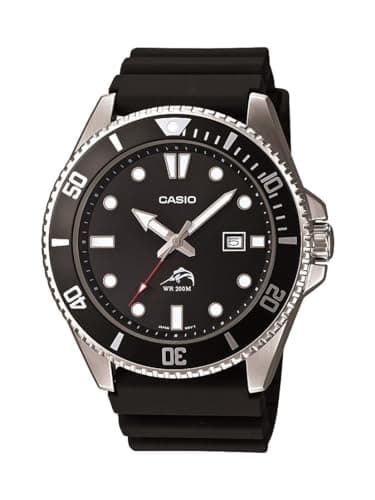
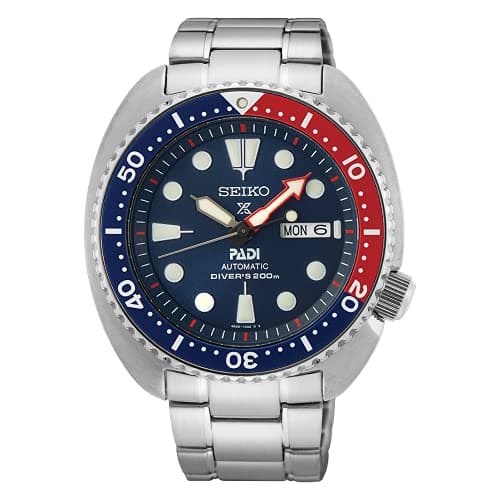
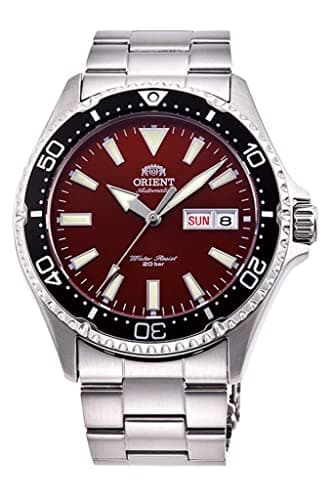
Three watches here carry an ISO 6425 or ISO-compliant specification — the Citizen BN0191, the Citizen NY0129 and the Seiko Turtle. That standard is not just about pressure: it specifies the crown, the bezel, legibility in darkness, resistance to shock, magnetism and salt water, and it requires the watch to keep working rather than merely survive one test. A 200m rating without ISO, like the Casio Duro's or the Orient Kamasu's, is a genuine specification and both watches are genuinely swimmable — it is simply a weaker claim than a certified one, and we rank it accordingly.
The outlier on this list
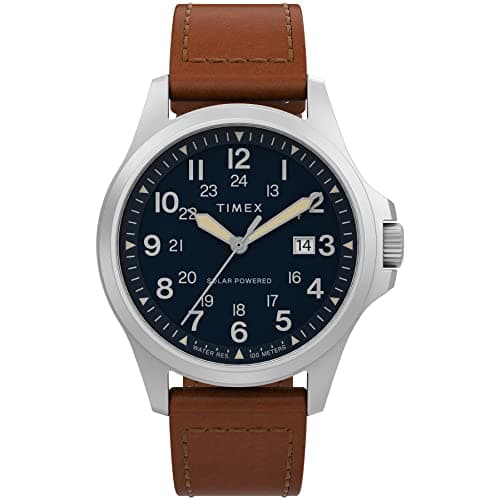
The Timex Expedition North Field Post Solar is not a dive watch. It is here because it does something unusual at its price: Timex publishes a screw-down crown and a screw-down caseback with a 100m rating, plus sapphire and solar power, on a 41mm field watch. That combination normally costs three times as much, and it is the reason it tops our quartz field watch roundup. If you want sealing without a dive bezel, it is the pick.
Two habits that undo the whole thing
A screwed crown only works screwed. Set the time, push the crown home, and turn it until it stops — then check it before water, every time. And remember that gaskets are rubber: they compress, dry and age, which is why a watch that has had its case opened for a battery is a watch whose water resistance depends on whoever reseated the seal. That is the quiet argument for the two light-powered watches on this page. A case that is never opened is a case that never gets resealed badly.