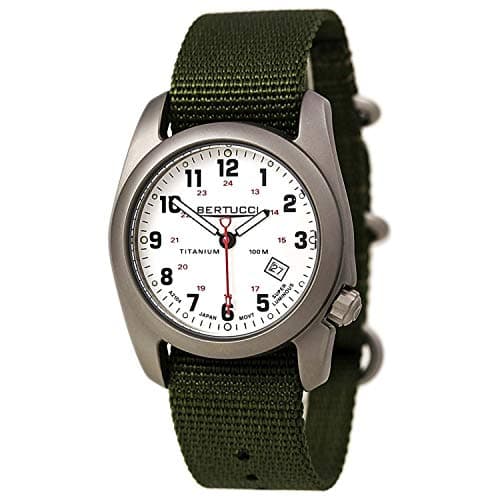
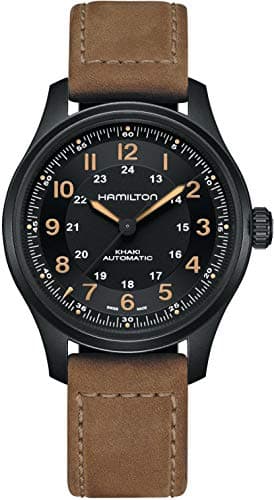
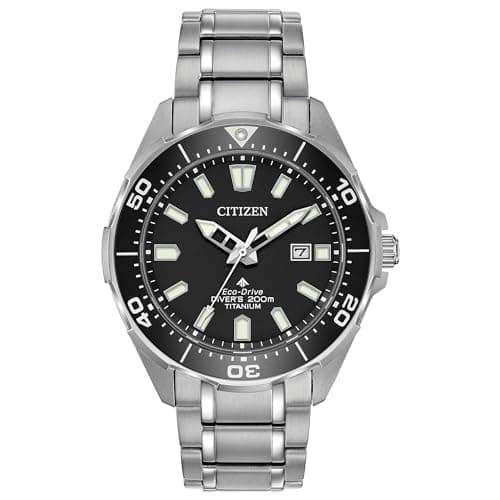
Titanium is the one case material that changes how a watch feels rather than how it looks. It is roughly 40 to 45 percent lighter than stainless steel at the same volume, it does not react with skin the way some steel alloys can, and on a 44mm diver that difference is the gap between a watch you take off at lunch and one you forget you put on. Our titanium vs stainless steel explainer argues the material question properly. This page answers the one it leaves open: so which titanium watches should you actually buy?
The honest answer is that the list is short. Titanium costs more to machine than steel and most brands reserve it for halo references, so at the prices this site covers there are three titanium watches in our registry with a live listing — and they are three completely different watches. We have ranked them the way we rank everything else: on what the metal is attached to. A light case bolted to a 30m movement you cannot swim with is not a win.
In order, that means published water resistance and whether the crown screws down, then the movement and what it asks of you, then crystal, then fit measured as case size and lug width. Every figure in the spec table is a published manufacturer specification. Where a maker does not publish one — none of the three publishes a lug-to-lug, which is the number that actually decides wrist fit — the cell reads "—" rather than a guess.
Not all titanium is the same titanium
The complaint people have about titanium is that it marks easily. That is true of unhardened titanium, which is softer at the surface than steel and takes fine scratches that read as a matte patina rather than bright swirls. Citizen's answer is a surface treatment it calls Duratect, sold under the Super Titanium name; Citizen states on its own Super Titanium page that the result is up to five times harder than stainless steel while keeping about 40 percent of the weight off. That is the maker's claim, not a figure we measured, and it is the single reason the BN0200 tops this page: it is the only one of the three with a published answer to the scratching objection.
Bertucci and Hamilton publish no equivalent hardening claim for the A-2T or the Khaki Field Titanium. Both are titanium cases and both will soften visually with wear. Whether that bothers you is taste, not specification, and we are not going to score it.
What you give up to save the weight
Two things, and neither is cosmetic. The first is crystal: the Bertucci uses mineral glass and the Citizen uses a mineral crystal as well, so neither has the scratch resistance of the sapphire you can get on a cheaper steel watch — our sapphire roundup lists the watches that do. The second is price: the cheapest titanium watch here costs roughly three times the cheapest steel field watch on the site, and the Hamilton costs more than any other watch we rank. Titanium is a comfort upgrade you pay for twice, in money and in crystal.
Fit, and the number nobody publishes
All three of these are mid-to-large watches: 40mm for the Bertucci, 42mm for the Hamilton, 44mm for the Citizen. None of the three manufacturers publishes a lug-to-lug measurement, which is the figure that actually decides whether a watch overhangs a wrist, so we have not invented one. What we can tell you is the lug width, which decides what strap fits: 22mm on the Bertucci and the Citizen, 20mm on the Hamilton. If the weight saving is the whole point of buying titanium, finish the job with a light strap — a 22mm nylon or FKM strap weighs a fraction of a steel bracelet and costs under twenty dollars.
What is not on this page, and why
No titanium Seiko, no titanium Casio, no Citizen Skyhawk titanium reference. Those watches exist; they do not have a verified live Amazon listing in our registry at the time of writing, and we do not rank products we cannot point you at. If that changes, this page changes. We would rather publish a short honest list than pad it out with a watch you cannot buy.
How we picked
We do not run a testing lab
We compiled the published manufacturer specifications for every watch here — case size, lug-to-lug, lug width, water resistance, movement and crystal — did the wrist-fit and value math, and scored each pick against a published rubric. The scores are judgments from documented research — they are not measurements we took or wrist-time we logged, because we do not have these watches and we are not going to pretend we do. Where a spec could not be verified we wrote "data unavailable" rather than guessing.